You Won’t Believe What I Found While Wandering Mexico City’s Streets
Wandering through Mexico City feels like flipping through the pages of a living, breathing storybook—vibrant, unpredictable, and full of soul. I didn’t go looking for shopping magic, but it found me in the most unexpected corners. From bustling markets to quiet boutiques tucked behind colonial walls, every turn revealed something authentic, colorful, and deeply personal. This isn’t just retail—it’s a rhythm, a cultural heartbeat. Let me take you through the real shopping experience that only happens when you slow down and simply wander.
The Art of Wandering: Why Getting Lost Leads to the Best Finds
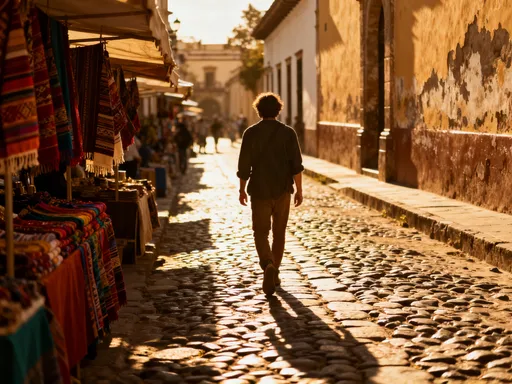
Mexico City rewards those who wander without a map. There’s a quiet wisdom in allowing oneself to get lost in its sprawling neighborhoods, where grand plazas give way to narrow cobblestone alleys lined with bougainvillea-draped walls and the scent of fresh tortillas drifting from open doorways. The act of aimless exploration—what locals call pasear—is not a pastime but a way of life. It’s in this unhurried rhythm that the city reveals its treasures, not through curated itineraries but through serendipitous discoveries made one step at a time.
The beauty of wandering lies in its unpredictability. One moment you’re following the sound of a street musician’s guitar, and the next you’ve stumbled upon a tiny shop selling hand-painted papel picado banners fluttering like confetti in the breeze. You might pause at a corner stall where an elderly woman offers warm tamales wrapped in banana leaves, her hands moving with the precision of decades of practice. These moments aren’t found in guidebooks; they emerge only when you surrender control and let the city guide you.
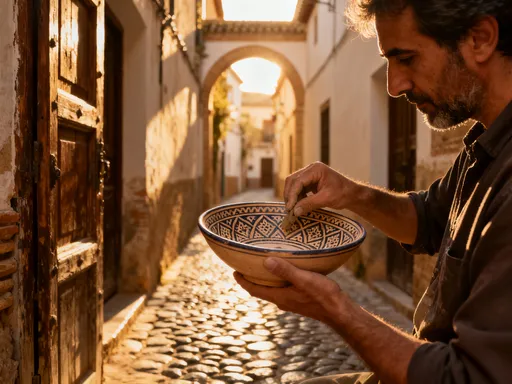
This kind of travel demands presence. It asks you to notice the way sunlight filters through jacaranda trees onto colonial facades, or how the call of “¡Tostadas calientitas!” echoes down the block. It invites you to engage all your senses—to smell the roasted corn seasoned with lime and chili, to feel the cool weight of hand-carved wooden bowls at a sidewalk stand, to hear the hum of conversation in rapid Spanish and the occasional burst of laughter. When you move slowly, the city begins to speak to you, not in words, but in textures, rhythms, and colors.
And it is precisely in these unplanned pauses that meaningful shopping begins. Unlike the transactional nature of malls or tourist-centric bazaars, the purchases made during a true wander carry emotional resonance. A clay mug bought from an artisan who explains how her family has shaped pottery for generations isn’t just a souvenir—it becomes a vessel of memory, connection, and respect. The value isn’t in the price tag but in the story behind the object and the moment of human exchange that brought it into your hands.
La Ciudad de Mercados: Stepping Into the Soul of Local Commerce
If wandering is the soul of exploration in Mexico City, then markets are its beating heart. These vibrant hubs of commerce and culture offer more than goods—they offer immersion. Places like Mercado de Coyoacán and Mercado Roma aren’t merely places to shop; they are living ecosystems where tradition meets innovation, and community thrives in the daily exchange of food, art, and conversation.
Mercado de Coyoacán, nestled in the artistic neighborhood once home to Frida Kahlo, pulses with a bohemian energy. Its high ceilings echo with the clatter of pots and the sizzle of carnitas cooking over open flames. Vendors display pyramids of ripe mangoes, prickly pears, and avocados the size of fists. Stalls overflow with handcrafted leather sandals, embroidered blouses, and alebrijes—fantastical spirit animals carved from copal wood and painted in electrifying hues. Here, shopping is tactile and sensory. You’re encouraged to touch, taste, and ask questions. A vendor might offer you a sample of spicy mango with chili powder on a tiny stick, her smile widening as you react to the burst of flavor.
The human element is what elevates these markets beyond mere retail spaces. Many vendors have worked in the same stall for decades, building relationships with regular customers who return week after week. Some remember your name, your favorite coffee blend, or that you prefer the mild salsa over the fiery one. This continuity fosters trust and warmth, transforming transactions into small acts of connection. Even the unspoken rules of haggling carry cultural nuance—never aggressive, always respectful, often ending in shared laughter.
Meanwhile, Mercado Roma in the Roma Norte district represents a new evolution of the traditional market. Housed in a sleek, modern building, it blends gourmet food stalls with design-focused vendors offering artisanal chocolates, cold-pressed juices, and hand-thrown ceramics. Young chefs serve heirloom corn tacos beside mixologists crafting mezcal cocktails with house-made syrups. The atmosphere is cosmopolitan yet grounded in local flavor. It’s a space where foodies, creatives, and curious travelers gather not just to eat or shop, but to experience the pulse of contemporary Mexican life.
What unites these markets—old and new—is their role as community anchors. They are places where generations meet, where recipes are passed down, and where craftsmanship is honored. To shop here is to participate in a tradition that values quality, authenticity, and personal connection over speed and convenience. In a world increasingly dominated by digital transactions and faceless deliveries, these markets stand as a testament to the enduring power of human-centered commerce.
Hidden Courtyards and Secret Boutiques: The Rise of Design-Driven Shopping
Beyond the well-trodden market paths, Mexico City harbors a quieter, more intimate shopping experience—one that unfolds in hidden courtyards, converted garages, and unmarked doorways in neighborhoods like Roma and Condesa. Here, a new generation of designers is redefining what it means to shop with intention, blending modern aesthetics with deep-rooted cultural heritage.
These are not boutiques in the conventional sense. Many operate as hybrid spaces—part studio, part gallery, part retail shop—where visitors can watch artisans at work, ask questions about materials, and even commission custom pieces. In a sunlit atelier in Condesa, a jeweler might shape silver into delicate earrings inspired by pre-Hispanic motifs, while down the street, a ceramicist fires hand-molded mugs in a backyard kiln, each piece bearing the subtle imperfections that mark it as truly handmade.
What sets these spaces apart is their emphasis on narrative and sustainability. Every item carries a backstory: the source of the clay, the dyeing process using natural pigments like cochineal, the family workshop that has produced textiles for three generations. Labels often include the maker’s name, the region of origin, and details about production methods. This transparency invites shoppers to make mindful choices, knowing their purchase supports local livelihoods and preserves traditional techniques.
The design language in these boutiques balances minimalism with vibrancy. Clean lines and neutral palettes allow the craftsmanship to shine, while bold colors and intricate patterns pay homage to Mexico’s rich artistic legacy. A linen dress might feature hand-embroidered floral motifs passed down from Oaxacan grandmothers; a set of napkins could be block-printed with symbols representing rain, sun, and fertility. These pieces aren’t just beautiful—they are cultural artifacts in contemporary form.
Many of these studios also serve as community hubs, hosting workshops, pop-up dinners, and artist talks. They foster a sense of belonging, where creatives and customers connect over shared values of sustainability, authenticity, and beauty. To visit one is to step into a world where commerce and culture are not at odds but deeply intertwined. It’s shopping as an act of appreciation, not consumption.
Street Vendors and Sunday Treasures: The Pulse of Informal Markets
While permanent markets and design studios offer depth, it is the informal, weekend markets that capture the spontaneous spirit of Mexico City’s creative economy. Every Saturday, Bazar Sábado in San Ángel transforms the leafy plaza in front of the colonial church into a lively bazaar of handmade goods. Artists, weavers, and potters from across the country set up colorful canopies, displaying textiles, jewelry, and folk art that reflect regional identities and personal visions.
These open-air markets thrive on authenticity and immediacy. There are no middlemen, no mass-produced imports—just makers selling directly to buyers. You might find a woman from Michoacán offering rebozos woven on a pedal loom, each taking weeks to complete, or a young designer from Puebla selling tote bags made from upcycled sarapes. A printmaker might hand-stamp notebooks with Aztec glyphs, while a woodworker displays puzzles carved from native walnut. The variety is endless, but the thread that binds them is integrity—the knowledge that what you’re buying was made with care and purpose.
What’s especially meaningful is the trust-based economy that flourishes here. Transactions often begin with conversation. You might learn that the beaded earrings you’re admiring were inspired by the artist’s childhood memories of carnival parades, or that the natural indigo dye used on a scarf comes from a small cooperative in Oaxaca. These exchanges deepen the value of the purchase, turning it into a shared moment of understanding and appreciation.
Sustainability is woven into the fabric of these markets. Many vendors use recycled materials, natural dyes, and low-impact production methods. There’s a palpable respect for the environment and for the labor involved in creation. Shoppers, in turn, come not to fill bags but to find pieces that resonate—something unique, ethical, and full of character. In a culture where fast fashion and disposable goods dominate globally, these markets offer a refreshing alternative: slow shopping, rooted in values.
And then there are the neighborhood pop-ups—spontaneous gatherings in parks or plazas where emerging designers test ideas, share prototypes, or sell limited runs. These events feel democratic and inclusive, open to anyone with talent and a dream. They embody the city’s creative energy: resilient, resourceful, and ever-evolving. To browse these stalls is to witness innovation in real time, where tradition and experimentation dance together in harmony.
From Market Basket to Keepsake: The Meaning Behind What We Carry Home
Every item purchased during a journey carries the potential to become more than an object—it can become a vessel of memory, emotion, and identity. In Mexico City, where shopping is so deeply interwoven with culture and craftsmanship, the things we bring home often outlive the trip itself, continuing to tell their story long after we’ve returned to daily life.
Consider a simple hand-embroidered napkin bought from a vendor in Coyoacán. On the surface, it’s a small textile, perhaps used to wipe hands after a meal. But in its stitches lies a narrative: the woman who spent hours creating it, the pattern passed down from her grandmother, the symbolic flowers representing resilience and beauty. When you unfold that napkin at your kitchen table, you’re not just using a cloth—you’re honoring a legacy.
Or think of a bag of coffee roasted in the historic center by a family-run business using beans from Chiapas. The aroma alone might transport you back to the morning you stood in line, watching the roaster turn beans in a cast-iron drum, explaining the difference between high-altitude and shade-grown varieties. Brewing that coffee at home becomes a ritual, a moment of pause and remembrance. It’s not just a beverage; it’s a sensory link to a place and a people.
These mindful purchases stand in contrast to the mass-produced souvenirs often found in tourist shops—keychains, mugs, and trinkets with little connection to the culture they claim to represent. When we choose items with origin, story, and purpose, we shift from passive consumers to active participants in cultural preservation. We say, through our choices, that we value craftsmanship, sustainability, and human dignity.
For women between 30 and 55—many of whom balance family, work, and personal growth—this kind of shopping resonates on a deeper level. It aligns with values of intentionality, care, and legacy. It’s not about accumulating things, but about curating a life filled with meaning. A hand-thrown bowl becomes the centerpiece of a Sunday dinner; a woven shawl is worn with pride at a family gathering. These objects become heirlooms, not because of their monetary worth, but because of the stories they carry and the connections they represent.
Navigating the City Like a Local: Practical Tips for the Curious Wanderer
To fully embrace the wandering spirit of Mexico City, a few practical considerations can make all the difference. While spontaneity is key, a little preparation ensures safety, comfort, and deeper engagement with the city’s offerings.
Timing matters. Most traditional markets are best visited in the morning, when produce is freshest and crowds are manageable. Mercado de Coyoacán, for example, comes alive between 9 a.m. and 1 p.m., while Mercado Roma is ideal for a late breakfast or early lunch on weekends. Evening strolls are delightful in well-lit, pedestrian-friendly areas like Condesa or Polanco, where tree-lined streets and outdoor cafes create a relaxed ambiance.
Transportation is both efficient and accessible. The Metrobús system offers fast, affordable travel along major corridors, while the subway (Metro) reaches nearly every corner of the city. For shorter distances, walking remains the best way to discover hidden gems. Comfortable shoes are essential—cobblestones can be uneven, and days of exploration demand support and cushioning.
Cash is still king in many markets and small shops. Carrying small bills—20s and 50s in Mexican pesos—makes transactions smoother and shows respect for local norms. While many vendors appreciate tips, especially for personalized service, it’s not expected in the same way as in other countries. A warm “gracias” and a smile often mean just as much.
Language can be a bridge. While many vendors in tourist areas speak some English, making an effort with basic Spanish phrases—“¿Cuánto cuesta?”, “Buenos días”, “Me gusta mucho”—opens doors and fosters connection. Even a simple “¿Puedo probar?” when sampling food can lead to a smile, a story, or an unexpected invitation.
Awareness is equally important. Mexico City is vast and diverse, and while most areas are safe for visitors, it’s wise to stay alert, keep belongings secure, and avoid isolated streets after dark. Traveling with confidence and respect—dressing modestly, avoiding flashy jewelry—helps you blend in and move with ease. Ultimately, the best tool for navigating the city isn’t an app or a checklist, but an open heart and a curious mind.
Beyond Shopping: How Wandering Builds Connection and Understanding
At its core, the act of wandering through Mexico City—and the shopping that unfolds along the way—is about more than acquiring objects. It’s about slowing down, paying attention, and opening oneself to connection. Each interaction, each discovery, becomes a thread in a larger tapestry of understanding—one that transcends language, culture, and distance.
When you choose to walk instead of rush, to chat instead of check out, to listen instead of dictate, you honor the people and places you encounter. You acknowledge that travel is not just about seeing landmarks, but about feeling the rhythm of daily life. A vendor’s laugh, a child’s drawing sold for a few pesos, the way sunlight hits a tile wall in the late afternoon—these are the moments that stay with you, long after souvenirs are unpacked.
And in that space of presence, something profound happens. You begin to see yourself not as a tourist, but as a guest. You recognize that every purchase you make—whether a jar of mole paste or a hand-stitched bookmark—carries weight. It supports a family, sustains a tradition, and strengthens a community. It becomes a small but meaningful act of global citizenship, where curiosity and compassion guide your choices.
For women who value depth, authenticity, and connection, this kind of travel offers renewal. It reminds us that beauty exists in the handmade, the imperfect, the human. It teaches us to slow down, to appreciate, and to carry forward not just objects, but stories. Mexico City, with its endless layers and living traditions, invites us to wander not just its streets, but our own hearts.
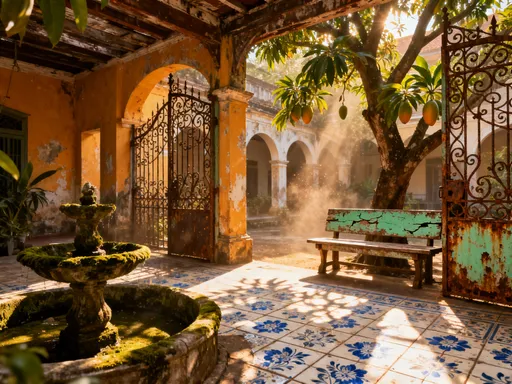
So the next time you find yourself in a foreign city, resist the urge to plan every minute. Leave room for the unexpected. Let curiosity lead you down unmarked alleys, into sunlit courtyards, and toward conversations that spark joy. Because sometimes, the most unforgettable treasures aren’t found on a map—they’re discovered simply by walking, watching, and wondering.