You Won’t Believe What I Found Shopping in Granada’s Hidden Corners
Shopping in Granada isn’t just about buying souvenirs—it’s a journey through culture, history, and local soul. Wandering its winding streets, I stumbled upon markets where artisans sell handmade treasures and secret boutiques tucked beneath ancient arches. The Albaicín district hums with creativity, while the city’s Moorish past whispers through every woven textile and ceramic glaze. This is shopping with heart, where every purchase tells a story. Let me take you to the real Granada, one unexpected find at a time.
The Soul of Granada: Where Shopping Meets Storytelling
Granada is a city shaped by centuries of cultural convergence, and nowhere is this more evident than in its shopping culture. Unlike the generic souvenir shops found in many tourist destinations, Granada’s retail experience is deeply rooted in identity, craftsmanship, and memory. The blend of Moorish, Andalusian, and contemporary Spanish influences creates a shopping landscape that feels both timeless and alive. Every object on display—whether a hand-painted tile, a silver filigree earring, or a finely embroidered shawl—carries the weight of tradition and the breath of individual artistry. This is not consumption; it is connection.
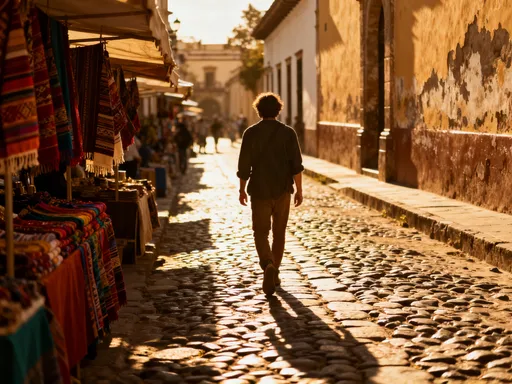
The morning light in Granada casts a golden hue over cobbled plazas, illuminating storefronts where artisans have worked for generations. In the shadow of the Alhambra, the air carries the scent of leather, saffron, and freshly baked bread. These sensory layers deepen the shopping experience, turning a simple stroll into a cultural immersion. The rhythm of daily life unfolds in small gestures: a potter shaping clay by hand, a weaver adjusting threads on a loom, a shopkeeper arranging hand-stitched linens in the window. These moments are not staged for tourists—they are the quiet pulse of a city that values craft as much as commerce.
What makes shopping in Granada so meaningful is the intimacy of the exchange. In many shops, you are not just a customer but a guest. Artisans often welcome visitors into their workshops, sharing stories behind their work—the inspiration for a pattern, the technique passed down from a grandmother, the significance of a color in Moorish design. This personal interaction transforms a purchase into a shared moment of understanding. It’s not about acquiring something beautiful; it’s about taking home a fragment of someone’s life, a tangible piece of Granada’s soul.
Albaicín’s Artisan Alleys: Creativity Around Every Corner
The Albaicín neighborhood, a UNESCO World Heritage site, is a labyrinth of narrow streets, whitewashed houses, and hidden courtyards that seem untouched by time. It is here, in this ancient quarter perched above the Darro River, that Granada’s artisan spirit thrives most authentically. Family-run workshops and small studios line the alleyways, each one a sanctuary of creativity. These are not mass-production spaces but intimate ateliers where craft is a labor of love, often passed down through generations.
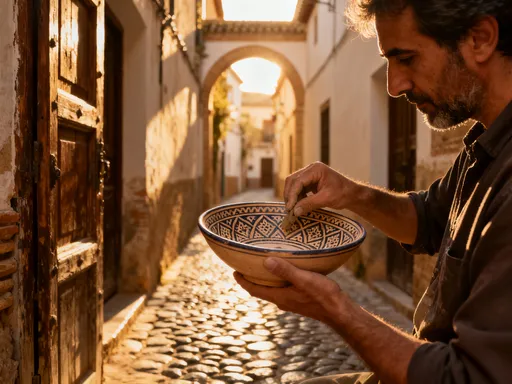
One of the most striking crafts found in Albaicín is ceramics with Islamic geometric patterns. Inspired by the intricate tilework of the Alhambra, these hand-painted pieces feature symmetrical designs in cobalt blue, emerald green, and terracotta red. Each tile or plate is fired in small kilns, and no two are exactly alike. The process is slow and deliberate, reflecting a philosophy that values quality over speed. Visitors can watch potters at work, their hands moving with precision as they trace delicate lines with a fine brush. The tap of a metal tool against clay echoes through the quiet streets, a sound as much a part of the neighborhood’s soundtrack as the distant call to prayer from a historic mosque.
Jewelry-making is another cherished tradition in Albaicín. Local silversmiths craft delicate filigree pieces—earrings, necklaces, and rings—using techniques that date back to the 15th century. The fine, lace-like patterns are formed by twisting and soldering thin strands of silver, a skill that requires immense patience and dexterity. Many of these jewelers work in tiny storefronts no larger than a closet, their counters cluttered with tools, sketches, and half-finished pieces. Yet within these modest spaces, true artistry unfolds. Shoppers who pause to look closely are often invited to sit, to learn about the symbolism behind certain motifs, or to try on a piece that feels lighter than air but carries centuries of meaning.
Fans, too, hold a special place in Granada’s craft heritage. Hand-painted folding fans, often made of silk or parchment, are both functional and decorative. Some feature floral patterns, others scenes from Andalusian life, and a few even depict verses from classical poetry. The rustle of a silk shawl being unfolded or a fan snapping open adds a tactile elegance to the shopping experience. These items are not merely souvenirs; they are wearable art, meant to be used and cherished. In Albaicín, shopping becomes a form of cultural preservation—one that supports local families and keeps ancient skills alive.
Elvira Street: The Pulse of Daily Life and Local Commerce
Just a short walk from the quiet alleys of Albaicín lies Calle Elvira, Granada’s bustling pedestrian thoroughfare and the city’s commercial heartbeat. Here, the atmosphere shifts from serene to vibrant, from artisanal to everyday. Elvira Street is where locals shop for clothing, books, and household goods, and where students from the nearby university browse for bargains. Unlike the curated charm of the old quarter, Elvira offers a more dynamic, lived-in experience—one that reveals the rhythm of Granadino life beyond tourism.
The street is lined with a mix of independent boutiques and well-established stores, each reflecting a blend of tradition and modernity. Fashion shops display garments with Andalusian flair—flamenco-inspired dresses with ruffled hems, lightweight shawls embroidered with floral motifs, and handcrafted leather shoes. Local shoemakers, some operating for decades, offer custom fittings and repairs, a rarity in an age of fast fashion. These small businesses thrive on loyalty and craftsmanship, and their presence gives Elvira a sense of continuity and authenticity.
Bookstores on Elvira Street offer another window into Granada’s cultural fabric. Shelves are filled with regional literature, poetry by Federico García Lorca—who was born in Granada—and historical accounts of the city’s Moorish past. Some shops specialize in art books and photography, showcasing the work of local artists. Browsing these stores feels like stepping into the intellectual life of the city, where literature and history are not relics but living conversations.
What makes Elvira Street especially appealing is its accessibility. While Albaicín can feel like a journey back in time, Elvira is firmly in the present. It’s where young professionals stop for coffee, where families shop for school supplies, and where visitors can blend in rather than stand out. The energy is contagious—music spills from open doorways, street performers play guitar in the plazas, and the scent of churros frying in olive oil fills the air. Shopping here isn’t just about what you buy; it’s about how you feel—part of a community, even if only for an afternoon.
The Fusion of Food and Shopping: Markets That Feed the Senses
In Granada, shopping is never just about objects—it’s also about nourishment, both physical and cultural. The city’s fresh markets, particularly the Mercado de San Agustín, are vibrant hubs where commerce and cuisine intertwine. These are not sterile supermarkets but lively spaces filled with color, aroma, and human connection. To shop here is to engage all the senses, to taste, touch, and smell your way through Andalusia’s rich agricultural heritage.
Stalls overflow with seasonal produce: plump tomatoes from the coast, fragrant oranges from local groves, and crisp artichokes grown in the fertile Vega de Granada. But it is the specialty goods that truly captivate—jars of saffron harvested from nearby fields, baskets of dried figs and dates, wheels of aged Manchego cheese, and platters of cured ham sliced to order. Olive oil, often pressed from local olives, is sold in ceramic jugs or glass bottles, its golden hue catching the light. Vendors proudly explain the origins of their products, offering samples with a smile. A taste of honey infused with rosemary, a sliver of chorizo, a drop of sherry vinegar—each bite tells a story of land and labor.
The market is also a place of ritual. Locals arrive with reusable cloth bags, greeting vendors by name, discussing the day’s freshest catch or the best almonds for baking. There is a rhythm to these exchanges, a respect for quality and seasonality that feels increasingly rare. For visitors, shopping here is an education in slow living, in the value of knowing where your food comes from and who produced it. It’s a reminder that eating well is not just about taste but about connection—to place, to people, to tradition.
Nearby tapas bars offer the perfect complement to a market visit. In Granada, every drink comes with a free tapa—a tradition that turns shopping into a social event. After selecting a jar of homemade olive tapenade or a bundle of dried mushrooms, you might stop at a nearby bar for a glass of crisp white wine and a plate of fried eggplant drizzled with honey. Or perhaps a small portion of grilled sardines, their smoky scent mingling with the evening air. These moments of pause, of shared food and conversation, are what make Granada’s shopping culture so deeply satisfying. It’s not just about acquiring goods; it’s about savoring life.
Hidden Boutiques and Concept Stores: Modern Twists on Tradition
Beyond the well-trodden paths of Albaicín and Elvira, Granada is home to a growing number of hidden boutiques and concept stores that blend heritage with innovation. These spaces, often tucked into quiet side streets or repurposed historic buildings, reflect a new generation of designers who honor the past while embracing the future. Here, tradition is not preserved in amber but reimagined with creativity and conscience.
One such store combines vintage clothing with handmade ceramics and textiles, creating a curated experience that feels both nostalgic and fresh. Dresses from the 1960s hang beside hand-thrown pottery, their muted tones echoing the colors of the Alhambra’s walls. Another boutique specializes in eco-friendly fashion, using recycled fabrics to create modern garments inspired by Andalusian silhouettes. A linen blouse might feature embroidery reminiscent of Moorish tile patterns, or a jacket could be lined with fabric printed from archival photographs of Granada’s streets.
These concept stores often serve as cultural meeting points, attracting both locals and travelers seeking something unique. They are spaces where design, sustainability, and storytelling converge. Some host small exhibitions, workshops, or pop-up markets, fostering a sense of community. Others collaborate with local artisans, ensuring that traditional skills remain economically viable. In doing so, they help bridge the gap between past and present, between craft and contemporary life.
What sets these boutiques apart is their attention to detail and intentionality. Every item is chosen with care, every display thoughtfully arranged. There is no mass production, no fleeting trends—only pieces that feel meaningful and enduring. Shopping here is not impulsive; it is reflective. It invites you to consider not just how something looks, but how it was made, who made it, and what it represents. In a world of disposable fashion, these stores offer an alternative—a slower, more mindful way of consuming.
Practical Tips for a Meaningful Shopping Experience
To truly appreciate Granada’s shopping culture, a few practical considerations can make all the difference. First, timing matters. Early mornings are ideal for visiting markets like San Agustín, when produce is freshest and crowds are light. Artisan shops in Albaicín often open later, around 10 a.m., and may close for a few hours in the afternoon—a nod to the traditional Spanish siesta. Planning your day around these rhythms ensures a more relaxed and authentic experience.
When shopping for handmade goods, look for signs of authenticity. Genuine ceramics will have slight imperfections—variations in glaze, hand-painted lines that aren’t perfectly straight. Real leather goods will have a natural smell and texture, not the synthetic shine of mass-produced items. If possible, ask about the maker. Many artisans are happy to share their process, and a conversation can confirm the item’s origin. Avoid stalls selling identical “Spanish” souvenirs—cheap flamenco dolls, plastic fans, or mass-printed tiles—as these are often imported and contribute little to the local economy.
Bargaining is not customary in most shops, especially those run by artisans or small businesses. Prices are typically fair and reflect the time and skill involved. However, in larger markets or street stalls, a polite inquiry about price may be met with flexibility, particularly if you’re buying multiple items. The key is to approach with respect, not aggression. A smile and a simple “¿Tiene esto en otro color?” (“Do you have this in another color?”) can open a friendly dialogue.
Sustainability is another important consideration. Bring a reusable shopping bag—many small vendors do not provide plastic ones. Consider the longevity of what you buy: a hand-thrown bowl may cost more than a factory-made one, but it will last for decades and carry far more meaning. Support shops that use eco-friendly materials or partner with local producers. By making conscious choices, you contribute to a shopping culture that values people and planet as much as profit.
Why Granada’s Shopping Stays With You
Long after the suitcase is unpacked and the souvenirs are placed on shelves, the memory of shopping in Granada lingers. It stays not because of what was bought, but because of how it felt. The warmth of a craftsman’s handshake, the weight of a hand-thrown bowl in your palm, the deep red of a silk shawl catching the afternoon light—these impressions settle into the heart. In Granada, shopping is not a transaction; it is a relationship.
There is a quiet beauty in knowing that the items you carry home were made by someone who cared—someone who spent hours shaping, painting, or stitching with intention. These objects are not just decorative; they are vessels of story, of place, of human effort. They remind us that beauty can be slow, that value can be measured in time and care, not just price.
Granada teaches a different way of seeing commerce—not as a race for the cheapest deal, but as a chance for connection. Whether you’re sipping wine in a tapas bar with a market-bought snack, wearing a shawl woven by a local artisan, or cooking with saffron purchased from a smiling vendor, you are participating in a culture that values presence over speed, depth over surface.
In the end, the true souvenir is not the object itself, but the memory of the moment—the golden light on cobbled streets, the sound of a potter’s wheel, the taste of a free tapa shared with strangers who feel like friends. Granada does not sell experiences; it offers them freely, one quiet interaction at a time. And that is something you carry with you long after you’ve left its ancient, whispering streets.