What Nobody Tells You About Hoi An’s Cultural Gems
Hoi An isn’t just lanterns and tailor shops—its cultural venues hold stories most travelers miss. I went searching for authenticity beyond the postcard views and found myself trapped in tourist traps disguised as tradition. From overpriced craft workshops to performative “heritage” shows, the line between real and fake blurs fast. If you're chasing genuine Vietnamese culture, knowing what *not* to do is just as important as the must-sees. Let’s talk about what really happens behind those ancient wooden doors.
The Allure of Hoi An’s Cultural Scene
Hoi An, a UNESCO World Heritage Site since 1999, stands as one of Southeast Asia’s best-preserved trading ports from the 15th to 19th centuries. Its charm lies not only in the amber glow of silk lanterns strung across narrow lanes but in the layered history embedded in its buildings and customs. The town’s unique architectural blend—Vietnamese, Chinese, Japanese, and French influences—reflects centuries of cross-cultural exchange. Walking through the Old Town feels like stepping into a living museum where wooden shutters creak open each morning and incense curls from ancestral altars behind latticed windows.
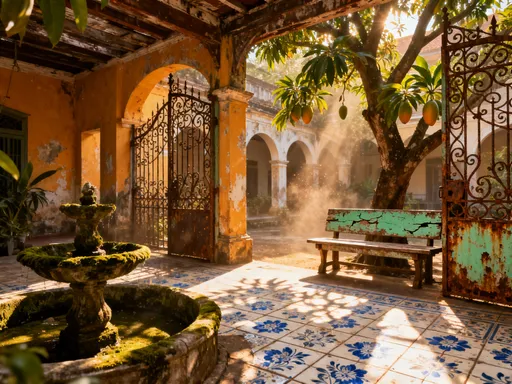
Key cultural sites such as the Fujian Assembly Hall, Tan Ky Old House, and Quan Cong Temple draw thousands seeking connection with Vietnam’s past. These places are more than picturesque backdrops—they once served as centers of worship, community gathering, and family life. The Assembly Halls, originally built by Chinese merchant guilds, were spaces for mutual aid, religious practice, and honoring regional deities. Meanwhile, the Old House Complexes offer rare insight into domestic life during Hoi An’s mercantile golden age, with their internal courtyards designed to channel light and airflow in the tropical climate.
What makes Hoi An particularly compelling is how its heritage remains partially alive. Unlike many preserved towns that exist solely for tourism, here, tradition still pulses beneath the surface. Locals burn joss sticks at family shrines, prepare ceremonial foods for Lunar New Year, and maintain ancestral records passed down through generations. For travelers, this creates the promise of something deeper: not just seeing culture, but sensing it in the rhythm of daily rituals. But that authenticity is fragile—and increasingly difficult to access amid rising visitor numbers and commercial pressures.
Pitfall #1: Overcommercialized Heritage Houses
One of the most common disappointments for culturally curious visitors is discovering that some of Hoi An’s most famous “heritage homes” operate more like ticketed attractions than living historical spaces. While places like Tan Ky and Phung Hung are often highlighted in guidebooks, the experience can feel hollow. Visitors pay an entrance fee—typically between 80,000 and 120,000 VND—and are ushered through dimly lit rooms with minimal explanation. There may be a sign in English, French, and Vietnamese, but rarely a staff member available to answer questions or share family stories.
The issue isn’t preservation—it’s presentation. Many of these homes, while architecturally significant, no longer house descendants of the original families. Instead, they are managed by the city or private operators who prioritize foot traffic over engagement. In some cases, furniture has been rearranged for better photo opportunities, and original artifacts replaced with replicas or generic antiques. The soul of the house—the laughter, arguments, meals, and prayers that once filled its rooms—feels absent.
By contrast, a few homes still maintain a human presence. The Duc An Old House, for example, is cared for by a direct descendant who occasionally greets guests and shares anecdotes about life during the American War and the transition into modern tourism. These personal touches transform a static tour into a meaningful encounter. Travelers who take the time to speak with caretakers, ask about family histories, or notice handwritten letters and faded photographs on display often walk away with a deeper appreciation.
To avoid the most commercialized sites, consider researching which homes still have family ties or are part of smaller heritage circuits. Visiting early in the morning or on weekdays increases the chance of meeting someone willing to engage. Look for homes with worn floorboards, personal items on display, or ongoing domestic activity—signs that history isn’t just preserved, but lived.
Pitfall #2: Craft Workshops That Feel Like Sales Pitches
Craft-making is deeply woven into Hoi An’s identity. For generations, families have specialized in lantern production, tailoring, pottery, and wood carving. Today, many travelers seek hands-on experiences, hoping to learn traditional techniques while supporting local artisans. Unfortunately, the popularity of “DIY culture” has led to a surge in workshops designed more for profit than education. These sessions often begin with a warm welcome but quickly shift into high-pressure sales environments.
A typical lantern-making class, for instance, might last only 20 to 30 minutes. Participants are handed pre-cut silk and bamboo frames, then guided through basic assembly. While the activity itself is enjoyable, the real agenda often reveals itself afterward: a tour of the attached showroom, where prices for custom lanterns range from $30 to over $100. Staff may insist that the small fee paid for the workshop is redeemable only if a larger purchase is made—a tactic that leaves many feeling misled.
Similarly, some tailoring experiences include a “free” fabric swatch session that turns into an aggressive push for made-to-order clothing, with commissions built into inflated prices. While Hoi An is rightly famous for its tailors, not all shops prioritize transparency. The goal in these cases isn’t cultural exchange; it’s conversion rates.
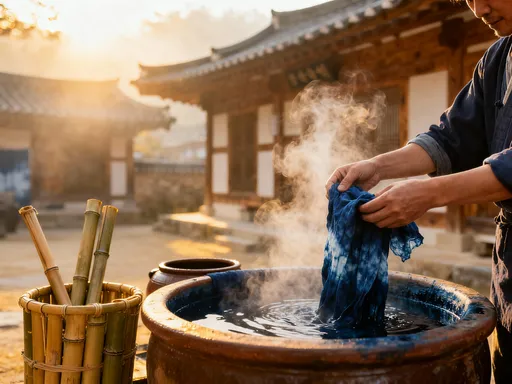
Yet authentic craft experiences do exist. Seek out smaller studios, often tucked down side streets or located just outside the Old Town, where artisans work full-time and welcome visitors out of genuine interest. Places like the Thanh Nam Pottery Workshop or family-run lantern ateliers in Cam Thanh village offer longer, more immersive sessions. Here, you might spend an hour learning how to shape clay on a kick wheel or hand-dye silk using natural pigments. There’s no obligation to buy, and questions are encouraged. These interactions honor the spirit of apprenticeship that once defined craft transmission in Vietnam.
When choosing a workshop, ask how long the business has been operating, whether the instructors are practicing artisans, and if the session includes time for discussion. Avoid places that emphasize souvenirs over skill-building. True craftsmanship takes time—and respect.
Pitfall #3: Folk Performances Staged for Tourists
Traditional music and dance are vital threads in Vietnam’s cultural fabric. In Hoi An, performances of Chau Van (spiritual chanting), Quan Ho (folk duets), and Cham dance are sometimes offered as evening entertainment for tourists. While these shows are marketed as immersive cultural experiences, many have been shortened, translated, and theatrically enhanced to fit a two-hour dinner-and-show format. The result is often a diluted version of the original art form—one that prioritizes spectacle over substance.
Consider the typical setup: a brightly lit stage, English narration between songs, and choreography adjusted for visual appeal rather than ritual accuracy. Authentic Chau Van, for example, is a trance-inducing practice used in spirit medium ceremonies, often lasting several hours and involving specific invocations. When compressed into a 15-minute segment with upbeat music and colorful costumes, its spiritual significance is lost. Similarly, traditional dances meant for temple festivals or village celebrations lose their context when performed on demand for applause.
This isn’t to say all tourist performances are without value. Some venues, like the Hoi An Ancient Town Cultural Exchange Center, collaborate with local artists to maintain integrity while making performances accessible. But even these efforts struggle with the tension between preservation and entertainment.
A more rewarding alternative is to attend cultural events as they occur organically. Visit during Tet (Lunar New Year), Vu Lan (Ghost Festival), or the Mid-Autumn Festival, when pagodas and communal houses host genuine rituals. At the Cam Pho Communal House, for instance, elders may lead prayers and children perform folk songs in preparation for the annual village festival. These moments aren’t scheduled for tourists—they’re part of the community’s lived calendar.
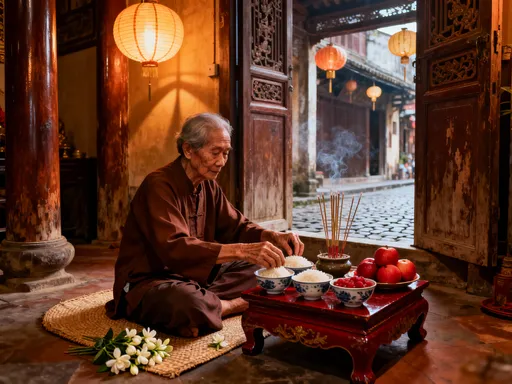
Another option is to visit local temples during morning or evening prayer times. At the Chuc Thanh Pagoda, monks chant sutras in Pali and Vietnamese, and laypeople offer lotus flowers and incense. There’s no stage, no tickets, no narration—just quiet devotion. Observing such moments with humility can be more powerful than any curated show.
How to Choose Authentic Cultural Venues
Navigating Hoi An’s cultural landscape requires intention. The difference between a meaningful visit and a superficial one often comes down to subtle cues. Start by observing who participates in the experience. If a venue is filled only with tourists and staff in uniforms, it may be designed for consumption. But if you see locals entering, praying, or engaging in daily routines, that’s a strong sign of authenticity.
Pay attention to language and signage. Places that rely heavily on multilingual brochures, QR codes, and digital audio guides often cater primarily to international visitors. In contrast, sites with minimal English or only handwritten notices tend to serve the local community first. This doesn’t mean they’re unwelcoming—many caretakers appreciate respectful guests who make an effort to learn.
Timing also matters. Visiting cultural sites early in the morning (between 7:00 and 8:30 a.m.) or on weekdays avoids peak crowds and increases the likelihood of interaction. Staff are less rushed, and the atmosphere is calmer. You might find an elderly caretaker willing to share stories about the temple’s history or a monk offering a simple explanation of a ritual.
Another strategy is to combine site visits with neighborhood walks. Instead of rushing from one ticketed location to the next, slow down and observe daily life. Watch how women arrange offerings at roadside shrines, how families clean ancestral altars before holidays, or how children help hang lanterns during festivals. These unscripted moments often reveal more about culture than any guided tour.
Finally, consider supporting venues that reinvest in preservation. Look for community-run museums, family-maintained houses, or pagodas that use donations for restoration. Your entrance fee, when directed properly, can help sustain the very traditions you’ve come to admire.
Hidden Gems With Real Cultural Value
Beyond the well-trodden paths of the Old Town lie quieter spaces where culture thrives without fanfare. These are not listed in most guidebooks, but they offer some of the most profound experiences in Hoi An. One such place is the family-run altar workshop near the Thu Bon River, where third-generation carvers hand-sculpt wooden altars adorned with dragons and lotus motifs. The workshop is unmarked, reachable only by asking locals for directions. Inside, the scent of sandalwood fills the air as artisans sand intricate reliefs with practiced hands. Visitors are welcome to watch, and if invited, may even learn about the symbolism behind each carving.
Another hidden gem is the early-morning ritual at the An Bang Market, just outside the city. Long before the beach cafes open, local women gather to prepare offerings for the fishing boats. They place boiled eggs, rice, and fruit in small baskets, then carry them to the water’s edge to pray for safe voyages. This practice, rooted in animist and Buddhist beliefs, continues quietly despite the growth of tourism. Standing at a distance and observing with respect allows travelers to witness a living tradition without disrupting it.
Neighborhood pagodas also offer moments of quiet beauty. The small Kim Bong Pagoda, tucked between homes in a residential lane, sees few tourists but remains active in community life. On the 1st and 15th days of each lunar month, elders gather to chant and offer incense. The wooden doors creak open at dawn, and the sound of bells carries through the mist. There’s no admission fee, no schedule—just an open invitation to those who approach with reverence.
These spaces remind us that culture is not always loud or performative. Sometimes, the most powerful experiences come from stillness, observation, and the willingness to be a quiet guest. In a town increasingly shaped by tourism, such moments are rare—and all the more precious.
Responsible Engagement: Beyond the Tourist Gaze
Engaging with Hoi An’s culture is not just about where you go, but how you behave. Respectful tourism begins with awareness. Dress modestly when visiting temples and family homes—cover shoulders and knees, and remove shoes when required. These small acts acknowledge the sacredness of the space and show that you are not there merely to consume, but to honor.
Always ask permission before taking photographs, especially of people, altars, or rituals. A simple smile and gesture can go a long way. In many cases, locals will welcome your interest—if approached with humility. Avoid using flash during ceremonies, as it can be disruptive and disrespectful.
Support venues that prioritize preservation over profit. Choose family-run workshops, community-led tours, and small museums that reinvest in restoration. When dining, eat at local markets or family restaurants rather than international chains. Your choices have impact: every dollar spent thoughtfully helps sustain the culture you value.
Most importantly, slow down. Authentic connection cannot be rushed. Sit on a bench near the Japanese Covered Bridge and watch the light change. Listen to the call to prayer from the mosque, the chime of temple bells, the laughter of children returning from school. Let the town reveal itself in its own time.
Hoi An’s soul is not in its lanterns or tailor shops, but in the quiet persistence of tradition—the grandmother teaching her granddaughter to fold offerings, the artisan sanding a wooden dragon, the fisherman lighting incense before dawn. Protecting that soul means choosing depth over convenience, presence over performance. True cultural connection isn’t about checking boxes. It’s about listening, learning, and leaving with gratitude.