You Won’t Believe What I Found Hiking Near Eilat’s Bustling Markets
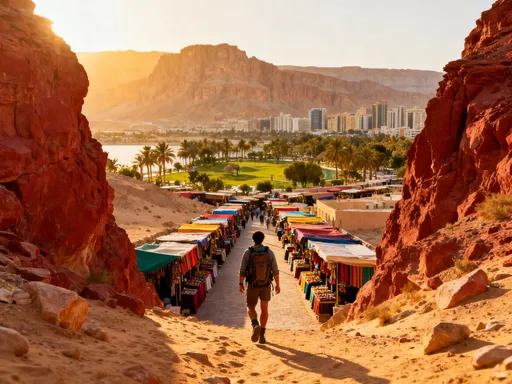
Hiking through the desert near Eilat, I stumbled upon something wild—trails that lead straight from rugged canyons into the heart of lively commercial zones. It’s surreal: one minute you’re climbing sunbaked rocks, the next you’re sipping fresh juice at an open-air market. This unique blend of adventure and urban energy is unlike anything I’ve experienced. Eilat doesn’t just offer escape—it connects nature and city life in the most unexpected way. The contrast is striking, yet seamless: silence gives way to chatter, heat yields to shade, and solitude melts into community. For travelers seeking both challenge and comfort, Eilat redefines what a desert journey can be.
The Unexpected Fusion of Nature and City Life in Eilat
Eilat, Israel’s southernmost city, sits at a remarkable crossroads—where the arid expanse of the Negev Desert meets the turquoise waters of the Red Sea. This geographical duality shapes every aspect of life here, including how people move between wilderness and urban spaces. Unlike many desert destinations that require long drives to reach civilization after a hike, Eilat has been thoughtfully designed so that natural landscapes and commercial centers exist in close proximity. Trails wind through red sandstone formations and dry riverbeds, then gently descend into neighborhoods lined with cafes, shops, and markets. This intentional integration allows hikers to transition smoothly from remote terrain to modern convenience without losing the sense of adventure.
Urban planning in Eilat reflects a deep respect for its natural surroundings. Rather than building over key ecological zones, developers have preserved corridors that allow both wildlife and people to move freely between desert and city. As a result, many hiking paths naturally extend toward populated areas, creating organic links between outdoor recreation and daily life. Locals often begin their morning walk on a desert trail and end it at a seaside promenade café. Tourists can finish a climb through a narrow canyon and find themselves just minutes from an open-air market offering cold drinks, fresh fruit, and handmade crafts. This fluid boundary between wild and urban spaces enhances accessibility, making outdoor activity part of everyday experience rather than a special expedition.
What makes this fusion so compelling is the emotional and physical contrast it offers. After hours of quiet concentration on a trail—navigating rocky inclines, listening to the wind, watching lizards dart across sunlit stones—arriving at a vibrant market feels like stepping into another world. The sudden influx of color, sound, and human connection is energizing. Children laugh near juice stands, vendors call out specials in Hebrew and Arabic, and the scent of grilled vegetables mingles with sea air. This shift from solitude to sociability satisfies a deep human need for both reflection and connection. For many, especially women managing busy household routines, such balance is not just enjoyable—it’s restorative.
The seamless transition also removes common barriers to outdoor activity. There's no need for a car rental or shuttle ride back to town; hikers can leave personal items at a hotel and return on foot. Trailheads are often within walking distance of accommodations, restaurants, and public restrooms. This ease of access encourages more people—especially those who may not consider themselves “serious” hikers—to explore the desert. Families, older adults, and casual walkers can enjoy a moderate trail and still have energy left for shopping or dining. In this way, Eilat democratizes adventure, making it available to a broader range of travelers.
Top Hiking Routes with Direct Access to Commercial Areas
One of the most popular trail networks near Eilat is located in Timna Park, a geological wonderland about 25 kilometers north of the city center. Known for its dramatic rock formations, ancient copper mines, and vibrant mineral-streaked cliffs, Timna offers several well-marked routes suitable for different fitness levels. The most accessible path for casual hikers is the Solomon’s Pillars Trail, a 3.5-kilometer loop that winds through towering sandstone columns shaped by millennia of erosion. While the park itself is slightly removed from urban hubs, regular shuttle buses connect it to the Eilat bus terminal, which sits adjacent to the central market district. After a peaceful morning among the pillars, visitors can arrive in town within 30 minutes and step directly into the rhythm of city life.
For those seeking a more direct connection between trail and town, the Sapir Trail offers an ideal option. This long-distance hiking route stretches from the Arava Valley to Eilat, with its final segment ending just east of the city’s main shopping area. The last 5 kilometers of the trail pass through low desert hills and offer panoramic views of the Gulf of Aqaba before descending into residential streets. Within a 10-minute walk, hikers reach the heart of Eilat’s commercial zone, where shaded plazas, outdoor seating, and hydration stations await. The trail is clearly marked with yellow and white stripes painted on rocks and posts, ensuring even first-time visitors can navigate confidently. With moderate elevation gain and frequent rest spots, this route is well-suited for women traveling solo or with children.
Another accessible path leads from the eastern edge of the city toward the Eilat Outlets, a modern shopping complex featuring international brands and local boutiques. Though not as rugged as other trails, this route follows a paved and partially shaded desert walkway that connects residential neighborhoods with retail areas. Many locals use it for morning exercise, walking or jogging before heading to work or running errands. Along the way, small kiosks sell bottled water, electrolyte drinks, and snacks. Benches and shaded gazebos provide places to rest, making it a family-friendly option. For visitors looking to combine light physical activity with shopping, this trail offers a practical and pleasant experience.
Difficulty levels across these routes vary, but most are rated as easy to moderate, with estimated hiking times ranging from 1.5 to 3 hours. Trails are generally well-maintained, with signage in Hebrew, English, and Arabic. Safety features include emergency contact numbers posted at intervals and periodic surveillance by park rangers. After completing a hike, travelers can immediately access amenities such as clean restrooms, drinking fountains, and shaded seating areas. Some trails even terminate near public transportation stops, allowing hikers to continue exploring the city without fatigue. This level of connectivity ensures that outdoor adventure doesn’t end when the trail does—it simply transitions into a new phase of the day.
Why Hikers Are Drawn to Urban Rewards After Desert Treks
There is a powerful psychological pull in moving from the quiet intensity of the desert to the lively pulse of the city. After spending time in nature—where decisions are simple, distractions minimal, and the pace dictated by breath and footfall—entering a bustling market feels like rejoining the human current. This contrast is not jarring; it’s invigorating. The brain, having rested in solitude, becomes more receptive to sensory input. Colors appear brighter, sounds more vivid, and social interactions more meaningful. For women who often manage complex household schedules, this shift offers a rare kind of mental reset—a chance to step out of routine responsibilities and return to them with renewed clarity.
Physically, the post-hike transition to urban comfort serves a vital purpose. Desert hiking, even on moderate trails, requires sustained effort under the sun. Heart rate increases, muscles engage, and the body loses fluids through sweat. Arriving at a market with access to cold drinks, fresh fruit, and nutritious snacks allows for immediate recovery. Vendors often sell chilled water, coconut water, and freshly squeezed orange or pomegranate juice—natural sources of hydration and electrolytes. Street food options like grilled corn, falafel in pita, or hummus with vegetables provide balanced fuel without heaviness. These choices support quick replenishment, helping hikers avoid fatigue or dehydration while still enjoying local flavors.
The availability of urban rewards also lowers the barrier to entry for outdoor activity. Many people hesitate to hike because they fear being stranded far from help or amenities. In Eilat, that concern is minimized. Knowing that a well-stocked market, medical clinic, or taxi stand is just minutes away makes the experience feel safer and more manageable. This accessibility is especially valuable for solo female travelers, older adults, or those with limited mobility. It encourages participation from individuals who might otherwise avoid desert trails, expanding the benefits of nature to a wider audience.
Another practical advantage is the elimination of post-hike logistics. In many destinations, completing a trail means retracing steps, arranging transportation, or driving back to civilization—tasks that can drain energy and diminish the sense of accomplishment. In Eilat, hikers can finish their journey on foot and immediately enjoy a reward: a cold drink, a meal, or a bit of shopping. This continuity enhances satisfaction, turning a physical challenge into a complete experience. The city becomes part of the adventure, not just a place to return to afterward. This seamless flow between exertion and reward aligns with modern expectations of travel—efficient, enjoyable, and deeply fulfilling.
Exploring Eilat’s Markets: A Hiker’s Post-Trek Paradise
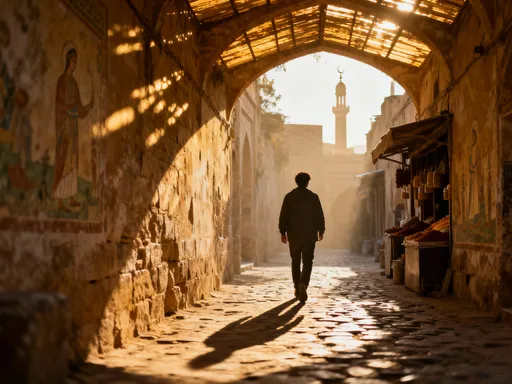
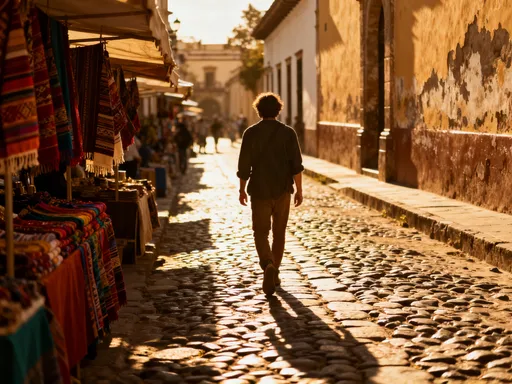
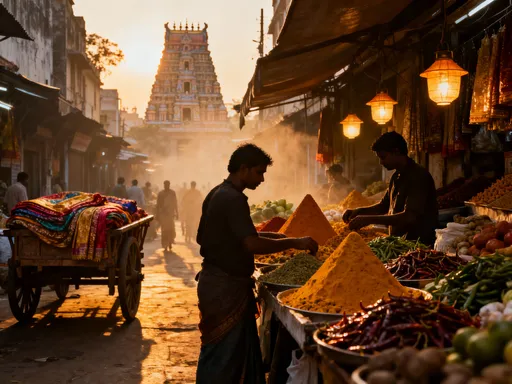
Eilat’s open-air markets are sensory celebrations—vibrant, welcoming, and full of life. As you step off a desert trail and into one of these urban oases, the change is immediate. Brightly colored awnings provide shade from the sun. Stalls overflow with ripe mangoes, dates, citrus fruits, and exotic spices. The air carries the mingled scents of grilled meat, fresh bread, and tropical fruit. Music plays softly from nearby speakers, blending Hebrew pop with Middle Eastern rhythms. Vendors greet passersby with warm smiles, offering samples of juice or dried fruit. For hikers emerging from hours of quiet exertion, this lively atmosphere feels like a celebration of arrival.
Local produce is a highlight of these markets. Seasonal fruits such as pomegranates, figs, and prickly pears are sold fresh and chilled, perfect for rehydrating after a hike. Stalls specialize in cold-pressed juices, blending ingredients like carrot-ginger, beet-apple, and mint-lemon. These natural drinks provide a healthier alternative to sugary sodas and help restore energy without a crash. Street food vendors offer quick, satisfying meals: falafel wrapped in warm pita, grilled halloumi with herbs, or stuffed grape leaves. Portions are generous, prices reasonable, and hygiene standards high. Many stalls display health permits and use protective covers for food display, ensuring safety for all visitors.
For hikers seeking rest and recovery, several key features make these markets particularly welcoming. Hydration stations with bottled water and electrolyte packets are available at multiple points. Shaded seating areas with tables and chairs allow for extended breaks. Some markets include misting fans or overhead fans to cool the air, creating pockets of relief from the desert heat. Public restrooms are clean and well-maintained, often located near market entrances. First aid kiosks or nearby clinics provide peace of mind for minor injuries. These thoughtful details demonstrate Eilat’s commitment to visitor comfort and safety, making the post-hike experience as pleasant as the journey itself.
Weekend markets offer an even richer experience, with extended hours and special vendors. On Fridays and Saturdays, local artisans set up booths selling handmade jewelry, woven textiles, ceramic pottery, and desert-inspired artwork. Musicians perform live, adding to the festive mood. Families gather, children play, and the pace slows slightly, inviting longer stays. For travelers planning a half-day hike, timing the return to coincide with weekend market hours can transform a simple outing into a full cultural immersion. Whether sampling food, browsing crafts, or simply sitting with a drink and watching the world go by, hikers find themselves not just recovering—but truly relaxing.
Balancing Adventure and Convenience: How Eilat Gets It Right
What sets Eilat apart is not just the proximity of trails to markets, but the care with which both environments are maintained. Urban development in the city has prioritized sustainability and environmental protection. New construction projects are required to undergo ecological impact assessments, and green spaces are preserved wherever possible. Trails near populated areas are kept free of litter, with trash bins and recycling stations placed at regular intervals. Signage is clear and multilingual, guiding hikers safely to their destinations. Safety measures include emergency call boxes, surveillance cameras in high-traffic zones, and regular patrols by municipal staff.
Environmental stewardship is also evident in how trail endpoints are managed. Rather than allowing urban sprawl to encroach on fragile desert ecosystems, city planners have established buffer zones and protected areas. Trails are routed to minimize soil erosion and avoid disturbing native plants and animals. Educational signs along the paths inform visitors about local wildlife, such as ibex, hyraxes, and desert foxes, fostering appreciation and responsible behavior. Littering is strictly enforced, and visitors are encouraged to carry out what they bring in. These efforts ensure that nature remains pristine even as it becomes more accessible.
Public transportation plays a crucial role in connecting trailheads with commercial centers. Eilat operates a reliable bus network with routes that serve major hiking areas, including Timna Park and the Sapir Trail terminus. Buses run frequently during peak hours and are equipped with bicycle racks for multisport travelers. Taxi services are also readily available, with designated pickup points near trail exits. For those staying in hotels or guesthouses, many offer complimentary shuttle services to and from popular trails. This connectivity reduces reliance on private vehicles, lowering traffic congestion and carbon emissions while increasing convenience for visitors.
The city’s approach reflects a broader philosophy: that nature and urban life should coexist harmoniously. By designing infrastructure that supports both outdoor adventure and daily comfort, Eilat creates a model for sustainable tourism. Visitors don’t have to choose between rugged exploration and modern amenities—they can enjoy both, seamlessly. This balance appeals especially to women who value safety, practicality, and meaningful experiences. It removes unnecessary stress from travel, allowing energy to be directed toward enjoyment and discovery.
Practical Tips for Combining Hiking and Urban Exploration
To make the most of Eilat’s unique hiking-market experience, timing is essential. The best hours for hiking are early morning, typically between 6:00 and 9:00 a.m., when temperatures are cooler and the sun is less intense. Starting early allows hikers to complete their journey before the midday heat peaks, leaving the rest of the day free for shopping, dining, or beach time. Wearing lightweight, breathable clothing and a wide-brimmed hat helps protect against sun exposure. Sturdy walking shoes with good grip are recommended, especially for rocky or uneven terrain.
Hydration is critical. Hikers should carry at least two liters of water per person, even on short trails. Adding electrolyte tablets or packets can help maintain mineral balance, particularly in hot weather. Snacks such as energy bars, nuts, or dried fruit provide sustained fuel. A small backpack with zippered pockets keeps essentials secure and organized. valuables like phones and wallets can be stored in hotel safes before heading out, reducing the risk of loss or theft.
Planning a half-day itinerary is ideal. Begin with a 2- to 3-hour hike, then transition to a leisurely lunch at a market food stall or nearby café. After eating, explore shops, browse artisan goods, or relax in a shaded plaza. Avoid scheduling strenuous activities immediately after a hike; allow time for the body to recover before engaging in extended walking or heavy meals. Families may want to include a stop at a playground or fountain area to let children unwind.
It’s also wise to check weather conditions before setting out. While Eilat enjoys sunny skies most of the year, sudden desert storms can occur, especially in transitional seasons. Lightweight rain gear or a compact umbrella can be useful. Finally, always inform someone of your hiking plans and expected return time, even for short outings. Though Eilat is safe and well-monitored, this simple precaution adds an extra layer of security.
Why This Experience Redefines Modern Desert Travel
Eilat challenges the traditional notion that true adventure requires isolation. For decades, desert travel has been associated with remote expeditions, survival gear, and days spent far from civilization. While such journeys have their place, they are not accessible to everyone. Eilat offers an alternative vision—one where nature is not something to be conquered from afar, but integrated into daily life. Here, adventure doesn’t mean disconnecting from comfort; it means enhancing it with movement, beauty, and discovery.
This model benefits a wider range of travelers, particularly women who often seek safe, manageable, and enriching experiences. By removing logistical hurdles and providing immediate access to amenities, Eilat makes outdoor activity more inclusive. It supports health and wellness without demanding extreme effort. It combines physical challenge with cultural engagement, creating a holistic travel experience that nurtures both body and mind.
More broadly, Eilat reflects a growing trend in sustainable, human-centered tourism. Destinations around the world are beginning to recognize that protecting nature and serving people are not mutually exclusive goals. Well-designed trails, responsible urban planning, and community-based markets can coexist to create places that are both beautiful and functional. Travelers increasingly seek destinations that offer authenticity, ease, and meaning—all without sacrificing safety or comfort.
For those ready to rethink what desert travel can be, Eilat stands as a powerful example. It invites visitors to hike through ancient landscapes, feel the sun on their skin, and then step into a world of color, flavor, and connection. It proves that wild beauty and urban comfort are not opposites—they can be partners in a journey that is as nourishing as it is unforgettable. The next time you plan a trip, consider a place where the trail leads not away from life, but straight into its heart.