You Gotta Experience Mykonos Festival Life – This Is Next Level
If you think Mykonos is just beaches and nightlife, think again. During festival season, the island transforms into a vibrant playground of music, tradition, and non-stop energy. I’ve been there, danced in the streets, and lived like a local for weeks. From hidden open-air parties to centuries-old celebrations with a modern twist, Mykonos festivals are unlike anything in Europe. Let me show you how to dive in, stand out, and make memories that last way beyond the last beat.
The Pulse of Mykonos: Where Culture Meets Celebration
Mykonos is often celebrated for its cosmopolitan flair and dazzling sunsets, but beneath the glitz lies a deeply rooted cultural heartbeat that pulses strongest during festival season. Unlike typical Mediterranean islands that rest on summer tourism, Mykonos thrives on a unique duality—where ancient Greek customs seamlessly blend with contemporary celebration. This is not a place where tradition is performed for tourists; it is lived, shared, and joyfully reimagined year after year. The island’s identity as both a cultural hub and a world-famous party destination makes it one of the most dynamic places to experience festival life in the Aegean.
At the core of this energy are annual events like the Aegean Arts Festival and Cycladic Music Week, which draw artists, musicians, and visitors from across the globe. These gatherings are not imported concepts but organic expressions of local pride. The Aegean Arts Festival, for instance, showcases site-specific installations across Mykonos Town, using windmills, alleyways, and seaside promenades as living galleries. Local painters, sculptors, and performance artists collaborate with international creatives, turning the entire island into an evolving canvas. It’s not uncommon to stumble upon a spontaneous violin recital in a quiet courtyard or a kinetic sculpture powered by sea breezes on a cliffside path.
Similarly, the Cycladic Music Week honors the region’s musical heritage through traditional lyra and laouto performances, yet invites modern reinterpretations—jazz-infused island melodies, electronic remixes of folk tunes, and cross-genre collaborations under the stars. These events are community-driven, often organized by local cultural associations with support from regional arts councils. Residents open their homes, share meals, and invite travelers to join in, not as outsiders, but as welcomed guests in a shared celebration of place and sound.
What makes timing your visit around these festivals so transformative is the shift in atmosphere. The island slows just enough to let meaning emerge between the beats. You’re no longer just sunbathing or bar-hopping—you’re participating in something with depth, rhythm, and history. The energy is electric, yes, but it’s also grounded in authenticity. Whether it’s a candlelit procession during a religious feast or a sunrise DJ set on a quiet beach, the experience feels both timeless and immediate. This is travel at its most immersive—where joy and culture dance together under the same sky.
Timing Is Everything: Choosing Your Festival Season
Understanding the rhythm of Mykonos’ festival calendar is key to crafting a meaningful and enjoyable visit. While the island welcomes travelers from May through October, the true festival season unfolds between June and September, each month offering a distinct flavor of celebration. June marks the beginning of the cultural surge, with events like the Aegean Arts Festival launching in early summer. The weather is warm but not yet scorching, the sea is calm, and the crowds are manageable. This is an ideal time for travelers who want to experience festival energy without the intensity of peak season.
July brings the full force of summer, with the island buzzing at maximum capacity. The solstice period, particularly around June 21st, is legendary for its all-night gatherings, where music spills from beach clubs into the streets and bonfires light up remote coves. These events, often unofficial but widely known, attract international DJs and free-spirited revelers. While the atmosphere is exhilarating, it also means higher accommodation prices, limited availability, and crowded ferries. Travelers should plan at least six months in advance if aiming to attend these high-energy moments, especially if seeking lodging in Mykonos Town or near popular beaches like Psarou or Super Paradise.
August remains packed, but it also hosts some of the most culturally rich celebrations. The Feast of the Assumption on August 15th is one of the most important religious holidays in Greece, and in Mykonos, it’s celebrated with both solemnity and festivity. In Ano Mera, the island’s quieter inland village, a centuries-old panigyri (village feast) takes place around the Monastery of Panagia Tourliani. Locals dress in traditional attire, sheep are roasted in communal ovens, and live music fills the square until dawn. This event offers a rare glimpse into authentic Cycladic life, far removed from the cosmopolitan buzz of the coast.
By September, the pace begins to slow. The heat softens, the sea retains its warmth, and many festivals take on a more intimate tone. Late-summer events like small-scale music residencies and local art pop-ups provide a more relaxed way to engage with the culture. Accommodation becomes more accessible, and last-minute travelers may even receive personal invitations from locals or boutique hotels hosting private gatherings. For those seeking a balance between celebration and serenity, the final weeks of September offer a golden window—where the magic of festival life lingers without the frenzy.
Must-Join Events: Dancing Like a Local
To truly experience Mykonos festival life, one must step beyond the curated club scene and into the organic, community-centered events that define the season. Among the most memorable are the outdoor DJ sets held in secluded coves accessible only by foot or boat. These gatherings, often organized through word-of-mouth or social media, transform quiet bays into open-air dance floors under the stars. The music blends deep house, Mediterranean rhythms, and ambient electronica, creating a soundscape that feels both modern and elemental. Attendees bring towels, lanterns, and picnic baskets, turning the experience into a collective ritual of light, sound, and sea.
Beachfront sound sessions are another hallmark of the festival calendar. Unlike commercial beach clubs with cover charges and guest lists, these events are often free and open to all. Held at dawn or sunset, they feature resident and guest DJs spinning soulful, melodic sets against the backdrop of rolling waves. Locations like Agia Anna, with its crescent-shaped bay and soft sands, become temporary temples of sound. The crowd is diverse—families with children, older couples, solo travelers, and groups of friends—all moving together in a shared moment of presence. There’s no pressure to perform; dancing here is not about being seen, but about feeling the rhythm in your bones.
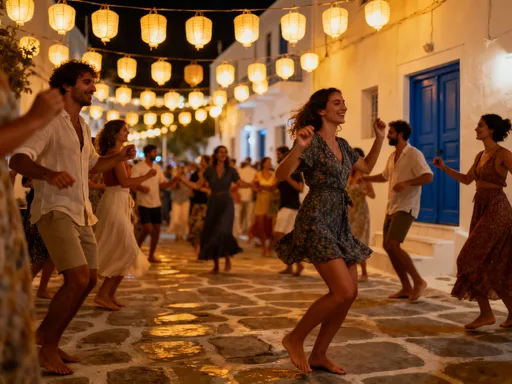
Equally powerful are the traditional panigyria, or village feasts, which combine religious observance with exuberant celebration. These events, rooted in Orthodox Christian traditions, honor patron saints with church services followed by hours of music, dancing, and feasting. In Ano Mera, the panigyri for the Dormition of the Virgin Mary is a highlight, drawing locals and visitors alike. The air fills with the scent of grilled meat, honey-dipped pastries, and oregano-scented wine. Live bands play syrtos and ballos, inviting everyone to join the circle dances that spiral through the square. Participation is encouraged—there’s no need to know the steps. A smile, an open stance, and a willingness to follow the flow are all it takes to be welcomed into the rhythm.
For visitors, respecting the etiquette of these events is essential. While beach parties are casual, panigyria often follow a more formal structure. Dress modestly when attending church services, arrive on time to show respect, and always ask before taking photos of people or rituals. At outdoor parties, leave no trace—pack out what you bring in, and be mindful of noise levels, especially in residential areas. By approaching these experiences with humility and curiosity, travelers don’t just witness culture—they become part of it.
Beyond the Dance Floor: Immersive Cultural Moments
While music and movement are central to Mykonos’ festival life, the island offers a wealth of non-musical experiences that deepen one’s connection to its people and heritage. Art installations, for example, play a significant role in the summer cultural landscape. During the Aegean Arts Festival, visitors can follow curated walking trails that link sculptures, light projections, and performance pieces across the island. These works often reflect themes of migration, memory, and the sea, inviting contemplation amid the celebration. One might encounter a mirrored dome reflecting the sky in a hidden garden or a soundscape of whispered stories played from within a stone wall—each piece a quiet invitation to pause and reflect.
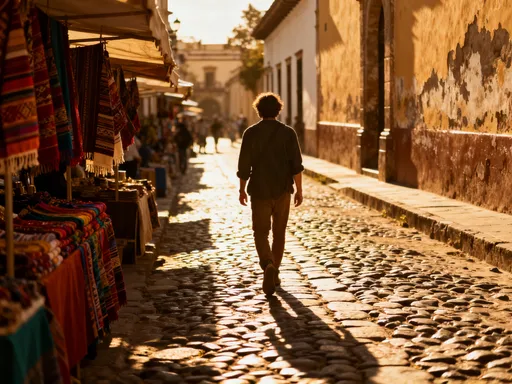
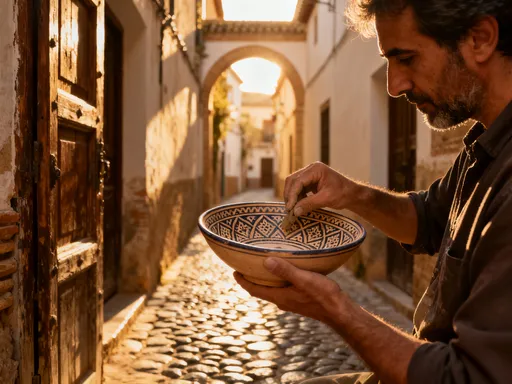
Local craft markets also flourish during festival season, particularly in the backstreets of Mykonos Town and in village squares. Here, artisans sell handmade ceramics, woven textiles, and jewelry inspired by Cycladic design—simple, geometric, and timeless. Unlike tourist bazaars, these markets are often run by residents selling family-made goods. Travelers can watch potters shape clay on spinning wheels or learn about the natural dyes used in hand-embroidered tablecloths. Some vendors offer short workshops, allowing guests to try their hand at coiling a small bowl or stitching a pattern, creating a tangible memory of their time on the island.
Religious processions, though solemn in origin, are infused with festive energy during festival season. On August 15th, the icon of the Virgin Mary is carried from the Church of Paraportiani through the narrow streets of Mykonos Town, accompanied by chanting, incense, and the tolling of bells. Locals line the route, holding candles and tossing rose petals. While this is a sacred moment, it is also one of communal pride and joy. Visitors are welcome to observe respectfully, standing to the side and removing hats as a sign of reverence. Afterward, the mood shifts to celebration, with music and food filling the waterfront.
Food tastings and cooking demonstrations are another way to engage with Mykonian culture. Local chefs and home cooks host informal gatherings where guests learn to prepare dishes like kopanisti (spicy whipped cheese), fava (yellow split pea purée), and stuffed calamari. These sessions often take place in courtyard kitchens or seaside tavernas, where recipes are shared orally and techniques passed down through generations. Participating in a meal preparation—grinding herbs, kneading dough, or grilling octopus—creates a deeper appreciation for the island’s culinary identity. It’s not just about eating; it’s about understanding how food binds people together in celebration and daily life.
Smart Festival Prep: Packing, Planning, and Staying Cool
Preparing for Mykonos festival season goes beyond booking a flight and choosing a hotel—it requires thoughtful planning to ensure comfort, safety, and sustainability throughout your stay. Packing wisely is the first step. Lightweight, breathable fabrics like cotton and linen are essential for daytime comfort, while a light shawl or wrap proves invaluable for evening events, especially when sea breezes pick up. Footwear should prioritize comfort over style: flat sandals with good support, or even minimalist shoes, work best for walking on cobblestones and sandy paths. Avoid heavy boots or heels, which can make navigation difficult and increase fatigue.
Sun protection is non-negotiable. The Aegean sun is intense, even in early morning and late afternoon. A wide-brimmed hat, UV-protective sunglasses, and reef-safe sunscreen should be part of your daily routine. Consider bringing a small, portable umbrella or a foldable sunshade if attending daytime events on the beach. Hydration is equally critical—carry a reusable water bottle and refill it regularly. Many public squares and beaches now have water stations, reducing plastic waste while keeping travelers healthy.
Technology can enhance your festival experience when used wisely. Download local transport apps to navigate buses and ferries efficiently. Mykonos has a reliable public bus system connecting the town, beaches, and villages, but schedules can vary during holidays. Having real-time updates helps avoid long waits in the heat. A portable phone charger is another must-have, especially during long days of exploration and evening events when power outlets are scarce. However, resist the urge to document every moment—sometimes the most powerful memories are the ones you live fully, not just capture on screen.
Equally important is planning your daily rhythm. Festival life can be exhilarating, but it’s easy to over-schedule and burn out. Aim for a balanced routine: start with a quiet morning—perhaps a swim or a walk through the alleys of Mykonos Town—before joining midday events. Use the early afternoon, when temperatures peak, for rest. A siesta, a light meal, or time in a shaded courtyard can recharge your energy. Resume activities in the late afternoon, building toward evening celebrations. This rhythm mirrors the natural pace of island life and helps you stay present, not exhausted, throughout your journey.
Navigating the Crowd: How to Stand Out Without Burning Out
One of the biggest challenges of festival season in Mykonos is managing the crowds without losing the personal, intimate quality that makes the experience special. The island’s popularity means that major events, especially in July and early August, can attract thousands. However, there are thoughtful ways to engage without feeling overwhelmed. Arriving early is one of the most effective strategies. Whether it’s a beachfront sound session or a village panigyri, being among the first to arrive allows you to secure a comfortable spot, absorb the atmosphere, and connect with others in a more relaxed setting.
Another approach is to explore offbeat routes to popular destinations. Instead of taking the main road to a well-known cove, ask locals about footpaths or lesser-known access points. These trails often lead to quieter vantage points where you can enjoy the music and scenery without the press of the crowd. Similarly, consider attending events in smaller villages like Ano Mera or Kalo Livadi, where gatherings are more community-focused and less commercialized. These locations offer a more authentic sense of how locals celebrate, with fewer tourists and more personal interactions.
Word-of-mouth remains one of the most valuable tools for discovering pop-up events. Many of the most memorable festival moments in Mykonos are not advertised online but shared through conversations at cafes, markets, or beaches. Strike up a friendly chat with a shop owner, a bartender, or a fellow traveler. You might hear about an impromptu guitar session on a hilltop or a private dinner party open to guests. These unlisted gatherings often provide the most genuine connections and unforgettable experiences.
Finally, standing out in a positive way means embodying respect and mindfulness. Dress appropriately for religious events, speak softly during solemn moments, and always ask permission before photographing people. Simple gestures—offering to help carry chairs, thanking organizers, or sharing a bottle of water—go a long way in building goodwill. When you approach festival life not as a spectator but as a respectful participant, you don’t just enjoy the celebration—you enrich it.
Leaving With More Than Memories: The True Value of Festival Travel
When the final beat fades and the ferry pulls away from the harbor, what remains is more than a collection of photos or souvenirs. Participating in Mykonos’ festivals leaves an imprint on the spirit—a sense of having been part of something alive, communal, and deeply human. These experiences foster genuine connection, not just with the island, but with the people who call it home. They remind us that celebration is not merely entertainment, but a fundamental expression of culture, resilience, and joy.
The sensory richness of festival life—music echoing through stone alleys, the taste of warm bread dipped in olive oil, the feel of sand between toes at sunrise—creates lasting neural imprints that evolve into long-term travel satisfaction. Studies in positive psychology suggest that experiences, especially those involving music, movement, and social bonding, contribute more to lasting happiness than material possessions. In Mykonos, where every festival blends the ancient and the modern, the personal and the collective, travelers gain not just memories, but a renewed sense of belonging.
More than that, festival travel cultivates cultural appreciation. By stepping into local traditions with humility and openness, visitors move beyond superficial tourism. They learn to listen, to participate, to honor the rhythms of a place. This kind of engagement fosters mutual respect and breaks down the invisible walls between “us” and “them.” In a world often divided, such moments of unity are rare and precious.
So as you plan your next journey, consider approaching Mykonos not as a destination to be checked off, but as a living culture to be embraced. Let the festivals guide you—not just to the best views or the hottest parties, but to the heart of what it means to celebrate life. Come as a traveler, stay as a temporary local, and leave with a soul full of rhythm, light, and the quiet certainty that you’ve touched something real. That’s the true next level of travel.