Why I Started Qigong as a Total Beginner — And Why You Should Too
I used to think qigong was just slow movements for older people — until I tried it. As someone new to traditional Chinese wellness, I was skeptical. But after just a few weeks, I noticed real changes: better sleep, less tension, and more energy. This isn’t about magic or instant fixes. It’s about simple, science-backed practices that work. If you’re curious but unsure where to start, this is your no-pressure guide to real, everyday qigong wellness.
The Burnout That Led Me to Qigong
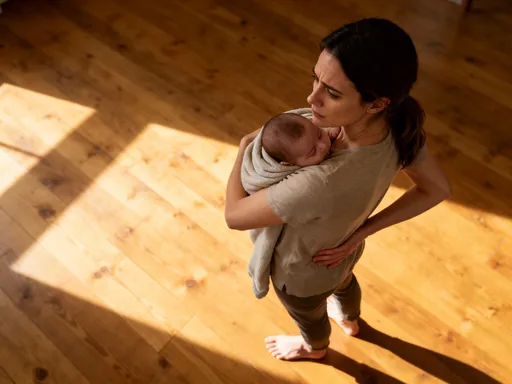
For years, I managed my life like a checklist. Wake up early, pack lunches, get the kids to school, rush to work, answer emails through lunch, pick up groceries on the way home, help with homework, clean the kitchen, and collapse into bed—only to wake up the next day and do it all again. There was no time to breathe, no space to pause. My body felt heavy, my mind was scattered, and even weekends didn’t offer relief. I wasn’t sick, but I wasn’t thriving either. I was surviving, one caffeine-fueled day at a time.
I tried everything to feel better. I walked during lunch breaks, downloaded fitness apps, and even joined a gym for a short while. But high-intensity workouts left me more drained, and stretching routines felt like chores I’d skip after a long day. I started noticing small things—tight shoulders, shallow breathing, trouble falling asleep despite being exhausted. I wasn’t injured, but my body was sending signals I could no longer ignore.
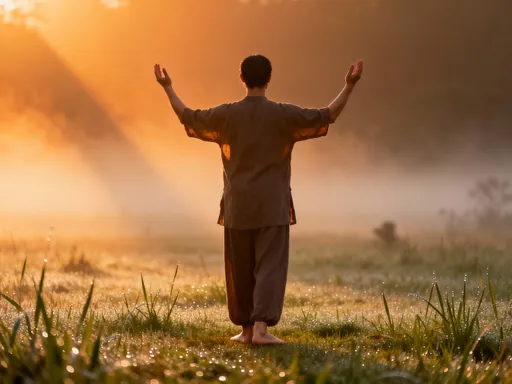
Then one evening, while scrolling through a wellness article, I came across a photo of a woman standing calmly in a park, arms raised gently toward the sky. The caption read: 'Qigong for stress relief.' I had heard the word before—somewhere between yoga and tai chi—but I didn’t know what it really was. It looked simple, almost too slow to be effective. Still, something about the image felt peaceful, inviting. I decided to watch a short video online. What I saw wasn’t flashy or fast. It was quiet, deliberate, and deeply human. That night, I tried my first movement. I didn’t expect much. But for the first time in months, I went to bed feeling calm, not just tired.
What Qigong Really Is (And What It’s Not)
Qigong (pronounced “chee-gong”) is a centuries-old practice rooted in traditional Chinese medicine. At its core, it’s about cultivating and balancing qi—the vital energy believed to flow through all living things. But you don’t need to believe in energy systems to benefit from qigong. What matters most is what you can observe: coordinated breathing, gentle motion, and focused attention. These three elements work together to calm the nervous system, improve circulation, and enhance body awareness.
Unlike high-intensity workouts that push the body to its limits, qigong works with the body’s natural rhythms. It’s not about burning calories or building muscle mass. It’s about restoring balance. Movements are slow, deliberate, and often repeated. The emphasis is on quality of motion, not speed or strength. This makes it accessible to nearly everyone, regardless of age or fitness level.
It’s easy to confuse qigong with yoga or meditation, and while there are similarities, each has its own purpose. Yoga often emphasizes flexibility, strength, and alignment. Meditation typically involves sitting still and observing thoughts. Qigong, by contrast, blends movement with mindfulness. It’s moving meditation—gentle enough to be restorative, structured enough to be grounding. You’re not holding challenging poses or emptying your mind completely. You’re moving with intention, syncing breath with motion, and reconnecting with your body.
One of the most important things to understand is what qigong is not. It is not a religion, nor does it require any spiritual belief system. You won’t be asked to chant, bow, or adopt new philosophies. It’s not a performance—there’s no audience, no score, no right or wrong way to look. You don’t need special clothing, expensive equipment, or a large space. A corner of your living room is enough. And you certainly don’t need to be flexible or coordinated to begin. In fact, the practice meets you exactly where you are.
Why Science Is Starting to Pay Attention
In recent years, researchers have begun studying qigong not as an alternative curiosity, but as a legitimate tool for health support. While traditional roots run deep, modern science is finding measurable benefits in its consistent practice. Studies have shown that qigong can help regulate the autonomic nervous system—the part of the body that controls stress responses. This means it can support a shift from the ‘fight-or-flight’ state to the ‘rest-and-digest’ state, which is essential for long-term well-being.
Researchers have observed improvements in people who practice qigong regularly, particularly in areas like stress reduction, sleep quality, and emotional regulation. Some studies suggest it may help lower blood pressure and improve balance, especially in older adults. It has also been used in integrative health programs for individuals managing chronic fatigue, fibromyalgia, or recovery from illness. These benefits aren’t the result of dramatic physical exertion, but of gentle, repetitive movements combined with mindful breathing.
One reason qigong is gaining traction in healthcare settings is its low risk and high accessibility. Unlike medications or invasive treatments, it has no side effects when practiced correctly. Unlike intense exercise, it doesn’t strain joints or elevate heart rate to stressful levels. It’s suitable for people with limited mobility, those recovering from injury, or anyone looking for a low-impact way to support their health. Because it’s adaptable, it can be modified for different needs and abilities.
What’s particularly compelling is that benefits appear with consistency, not intensity. You don’t need to practice for hours to see results. Even short daily sessions can lead to meaningful changes over time. The science doesn’t promise miracles, but it does support what practitioners have known for generations: that small, intentional actions—when repeated—can have a profound effect on how we feel.
My First 3 Moves — Simple Enough for Day One
When I started, I didn’t want anything complicated. I needed something I could do without memorizing long sequences or watching videos repeatedly. I found three foundational qigong movements that became my daily anchors. They take less than ten minutes together, and I still practice them almost every morning.
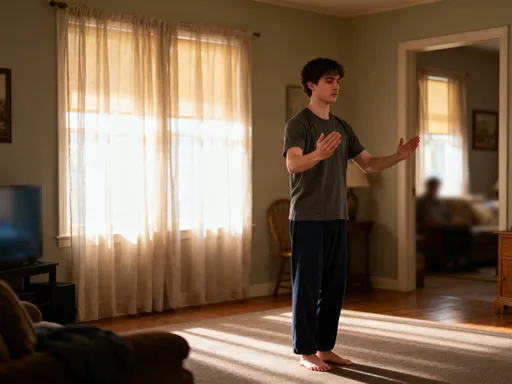
The first is called Lifting the Sky. Stand with your feet shoulder-width apart, knees slightly bent. Inhale slowly as you raise your arms in front of you, palms up, all the way overhead. Imagine you’re lifting a soft, heavy ball of light. Keep your movements smooth and your breath steady. At the top, pause for a breath, then exhale as you lower your arms back down, palms facing down, as if gently pressing energy into the earth. Repeat 6–9 times. This movement helps open the chest, improve posture, and coordinate breath with motion. A common mistake is rushing the lift—remember, slow is the goal. Another is locking the elbows; keep them slightly soft.
The second move is Separating Heaven and Earth. Start in the same stance. Inhale as your left hand rises palm-up toward the sky, while your right hand lowers palm-down toward the ground. Imagine a connection between your hands, like an invisible thread stretching between heaven and earth. Exhale as you switch sides: right hand rises, left hand lowers. Continue alternating for 6–9 breaths. This movement encourages balance, both physically and mentally. It also gently stretches the torso and improves spinal mobility. Be careful not to twist too hard—let the motion come from the breath, not force. Keep your gaze soft and your jaw relaxed.
The third is Gentle Swaying. Stand with feet hip-width apart, knees loose. Let your body begin to sway side to side, like a tree in a light breeze. Let the movement flow from your hips, not your shoulders. Let your arms hang loosely or rest your hands on your lower abdomen. Breathe naturally. Continue for 1–2 minutes. This simple motion helps release tension in the lower back, calms the mind, and improves grounding. Many people find it surprisingly soothing. A common mistake is overdoing the sway—keep it minimal, almost imperceptible. The goal is relaxation, not movement for movement’s sake.
These three exercises form a gentle routine that warms up the body, centers the mind, and prepares you for the day. They don’t require memorization or special skills. You can do them in pajamas, with a cup of tea nearby, and still gain real benefits.
How Just 10 Minutes a Day Made a Difference
I didn’t expect much in the beginning. I thought, How can moving so slowly do anything? But within two weeks, I started noticing subtle shifts. I wasn’t suddenly energetic or stress-free, but I felt more present. Mornings felt calmer. Instead of rushing into the day, I had a quiet moment to myself. That small pause made a difference.
One of the first changes was in my sleep. I’ve always had trouble falling asleep, my mind racing with to-do lists and unresolved conversations. But after a few days of practicing qigong before bed, I found it easier to let go. My breathing slowed naturally, and my body felt more relaxed. I wasn’t forcing sleep—I was simply creating the conditions for it to come.
At work, I noticed I could handle pressure differently. When a deadline loomed or an email arrived that would normally spike my stress, I found myself pausing—just for a breath—before reacting. That tiny moment of awareness helped me respond more thoughtfully instead of reacting emotionally. I wasn’t avoiding stress, but I was managing it better.
I also became more aware of tension in my body. I used to carry stress in my shoulders without realizing it until it turned into a headache. Now, I notice the tightness earlier. Sometimes, I’ll just stop, take three slow breaths, and do a mini version of Lifting the Sky at my desk. It’s not a cure, but it’s a reset. These changes didn’t happen overnight. They were quiet, cumulative, and deeply personal. But they were real.
Building a Habit Without the Pressure
One of the biggest challenges at the start was consistency. I wanted to do it every day, but life got in the way. Some mornings, the kids were loud, the dog needed walking, or I simply forgot. I used to feel guilty when I missed a day, as if I’d failed. But over time, I learned that qigong isn’t about perfection—it’s about showing up, even in small ways.
I found that pairing the practice with an existing habit made it easier to remember. I started doing my three moves right after brushing my teeth in the morning. It became part of my routine, like washing my face or making coffee. On busy days, I’d shorten it—just two rounds of Lifting the Sky, or one minute of Gentle Swaying. Even five minutes counted. The key was to remove the pressure to do it ‘right’ or ‘long enough.’
I also created a small space for myself. I cleared a corner of the living room, placed a mat on the floor, and added a candle and a plant. It didn’t need to be fancy—just a signal to my brain that this was a place for calm. On days when I felt unmotivated, just stepping into that space helped me begin.
I learned to be kind to myself. Some days, my mind wandered. Some days, I felt stiff or distracted. That’s okay. Qigong isn’t about achieving a perfect state—it’s about practice. The habit grows not from willpower, but from gentle repetition. Over time, it became less something I had to do and more something I wanted to do.
When to Seek Guidance — And Why It’s Okay
While qigong is safe for most people, it’s important to listen to your body. If you have chronic health conditions—such as heart disease, severe joint issues, or balance problems—it’s wise to talk to your healthcare provider before starting any new wellness practice. This isn’t a sign of weakness or doubt—it’s a sign of care. Your health is personal, and professional guidance ensures you practice safely.
If you’re unsure about your form or want to deepen your understanding, consider seeking support from a certified qigong instructor. Many community centers, wellness studios, and hospitals offer beginner classes. Online, there are reputable video resources from licensed practitioners that provide clear instruction and alignment tips. Watching a skilled teacher can help you notice subtleties—like how to engage your core, where to focus your gaze, or how to coordinate breath with movement.
It’s also okay to ask questions. Some people worry they’re ‘doing it wrong,’ but qigong is a personal journey. An instructor can offer feedback without judgment and help you adapt movements to your needs. Whether in person or online, guidance can deepen your practice and build confidence.
Remember, seeking help isn’t a step back—it’s a step forward. It shows you’re committed to doing this in a way that supports your long-term well-being.
Conclusion
Qigong isn’t about perfection — it’s about presence. For beginners, the real win is showing up, breathing, and moving with intention. Over time, these small moments add up to lasting well-being. You don’t need to be flexible, spiritual, or ‘good’ at it. You just need to begin. This practice isn’t about transforming into someone else. It’s about returning to yourself—calmer, clearer, and more connected. In a world that never slows down, qigong offers a quiet invitation: to pause, to breathe, and to move with care. And sometimes, that’s enough to change everything.