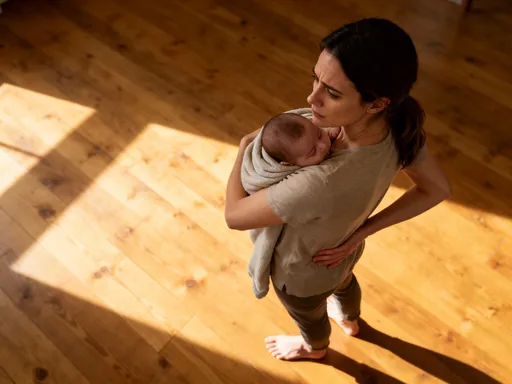
How I Finally Found Balance After Baby: A Real Mom’s Journey Back to Strength
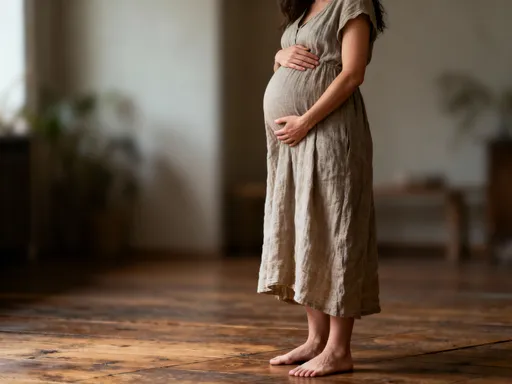
After giving birth, I felt like my body had betrayed me—exhausted, weak, and unfamiliar. I wanted to bounce back, but didn’t know where to start. With so much conflicting advice, I struggled until I discovered a smarter, safer way to move. This is how I rebuilt my strength step by step, without pushing too hard or risking injury. It wasn’t about quick fixes—it was about healing, truly. The journey wasn’t linear, and some days felt like setbacks, but each small step brought me closer to feeling like myself again—only stronger. This is not a story of dramatic transformation, but of patient, intentional recovery grounded in science, self-awareness, and compassion.
The Postpartum Reality Check: More Than Just “Bouncing Back”
Many women enter motherhood with the quiet expectation that they’ll quickly return to their pre-pregnancy bodies. Magazines, social media, and even well-meaning comments from friends can reinforce the idea that “bouncing back” is not only possible but expected. However, the reality of postpartum recovery is far more complex and deeply personal. After childbirth, the body undergoes profound physical changes—some visible, others hidden beneath the surface. The abdominal muscles stretch and may separate, a condition known as diastasis recti. The pelvic floor, which has supported the weight of a growing baby for months, often becomes weakened or overactive. Hormonal fluctuations, particularly in estrogen and relaxin, affect joint stability and tissue elasticity, making certain movements riskier than they once were.
Emotionally, the transition is equally demanding. Sleep deprivation, shifting identities, and the overwhelming responsibility of caring for a newborn can lead to anxiety, mood swings, or postpartum depression. These emotional challenges are not separate from physical recovery—they are intertwined. When a new mother feels mentally drained, her physical resilience suffers. Yet, despite these realities, many feel pressured to resume intense workouts within weeks of delivery. Some turn to high-intensity interval training or core-heavy routines, believing that sweat equals progress. Unfortunately, this approach can lead to setbacks such as pelvic floor dysfunction, chronic lower back pain, or prolonged core weakness. Pushing too soon may feel empowering in the moment, but it often undermines long-term healing.
Reframing recovery as a process—not a race—is essential. Healing is not measured by how quickly a woman fits into her pre-pregnancy jeans, but by how well her body functions and how she feels in her daily life. The goal is not to erase the changes of motherhood, but to restore strength, stability, and confidence in a sustainable way. This requires patience, education, and a willingness to listen to the body’s signals. It means honoring the incredible work the body has already done and recognizing that rebuilding takes time. When women shift their mindset from performance to restoration, they lay the foundation for a healthier, more resilient postpartum experience.
Why Exercise Matters in Recovery (and When to Start)
While rest is crucial in the early weeks after childbirth, gentle movement plays a vital role in recovery. Contrary to the outdated belief that new mothers should remain sedentary, modern research supports the benefits of appropriate physical activity during the postpartum period. Movement helps improve circulation, reducing the risk of blood clots—a serious but preventable complication after delivery. It also supports lymphatic drainage, which can help reduce swelling and promote tissue healing. Beyond the physical, exercise has a powerful impact on mental health. Studies show that even light physical activity can increase endorphin levels, helping to stabilize mood and reduce symptoms of postpartum anxiety and depression.
One of the most significant benefits of postpartum movement is its effect on the pelvic floor. The pelvic floor muscles support the bladder, uterus, and rectum, and they endure significant strain during pregnancy and delivery. When these muscles are weak or uncoordinated, women may experience incontinence, pelvic pressure, or discomfort during daily activities. Targeted, low-impact exercises can help restore pelvic floor strength and function. Similarly, gentle core engagement helps re-establish neuromuscular connections that may have been disrupted during pregnancy. This is not about achieving a flat stomach, but about rebuilding the deep stabilizing system that supports posture, movement, and overall physical resilience.
However, timing is critical. Most healthcare providers recommend waiting until at least six weeks postpartum before beginning any formal exercise routine, especially after a vaginal delivery with complications or a cesarean section. This waiting period allows the body to heal from the trauma of childbirth, including the closure of the cervix, reduction of postpartum bleeding, and initial recovery of abdominal and pelvic tissues. Before starting any exercise program, it is essential to obtain medical clearance from a doctor or midwife. They can assess healing progress, check for complications like infection or unresolved diastasis recti, and provide personalized guidance. Signs that a woman may not be ready to resume exercise include persistent pain, heavy bleeding, urinary incontinence during basic movements, or feelings of pelvic heaviness. Ignoring these signals can delay recovery and increase the risk of long-term issues.
Phase 1: Healing from the Inside Out (Weeks 1–6)
The first six weeks after childbirth are not a time for fitness goals—they are a time for healing. This phase is about reconnecting with the body and supporting natural recovery processes through gentle, intentional movements. The focus should be on rest, breath, and subtle activation rather than exertion. One of the most important practices during this period is diaphragmatic breathing, also known as belly breathing. This technique involves slow, deep breaths that expand the diaphragm downward, gently engaging the pelvic floor on the exhale. This simple act helps re-establish the connection between the diaphragm and the deep core muscles, which often become disconnected after pregnancy. It also promotes relaxation, reduces stress hormones, and supports nervous system regulation—critical for a new mother navigating the emotional rollercoaster of early parenthood.
Another safe and effective movement during this phase is the pelvic tilt. Performed lying on the back with knees bent, this exercise involves gently tilting the pelvis upward to flatten the lower back against the floor. It encourages awareness of pelvic alignment and gently activates the transverse abdominis, the deepest layer of the core. While the movement is small, its impact is significant. It teaches the body how to engage the core without straining, laying the groundwork for more complex movements later. Short walks are also highly beneficial. Beginning with just five to ten minutes around the house or down the driveway, walking helps improve circulation, supports bowel function, and boosts mood. As energy levels allow, walks can gradually increase in duration, but the goal is not distance or speed—it is gentle movement that supports recovery.
During this phase, it’s important to manage expectations. Progress may feel invisible. A woman might not see changes in her body shape, but she is rebuilding foundational strength from within. Signs of progress include improved energy, reduced swelling, better bladder control, and increased comfort during daily movements like standing up or lifting the baby. Pain, dizziness, or increased bleeding during or after activity are signs to stop and rest. This phase is not about pushing through discomfort, but about nurturing the body with kindness and patience. By prioritizing healing over performance, women set the stage for a safer, more effective recovery in the weeks to come.
Phase 2: Rebuilding Foundations (Weeks 6–12)
Between six and twelve weeks postpartum, many women receive medical clearance to begin a more structured movement routine. This phase is about rebuilding foundational strength with an emphasis on form, alignment, and mindful engagement. The goal is not to burn calories or build muscle mass, but to restore functional movement patterns that support daily life as a mother. One of the first exercises to introduce is the modified bridge. Lying on the back with knees bent and feet flat, the woman gently lifts her hips while engaging the glutes and pelvic floor. This movement strengthens the posterior chain—glutes, hamstrings, and lower back—while promoting pelvic stability. It also encourages proper sequencing of muscle activation, which is often disrupted after pregnancy.
Heel slides are another effective exercise during this phase. Starting in the same position, the woman slowly extends one leg along the floor, keeping the lower back stable and the core engaged. This movement challenges core control while maintaining a neutral spine. It also helps improve hip mobility and coordination, which are essential for balanced movement. Standing posture work is equally important. Many new mothers develop forward-leaning postures from breastfeeding, carrying babies, or looking down at screens. Simple posture exercises—such as standing against a wall to align the head, shoulders, and hips—help retrain the body to maintain proper alignment. This reduces strain on the neck, shoulders, and lower back, making daily activities easier and more comfortable.
Throughout this phase, the emphasis must remain on quality over quantity. It’s tempting to focus on how many repetitions are completed, but proper form is far more important. Rushing through movements or sacrificing alignment for speed can reinforce poor movement patterns and increase the risk of injury. For example, performing bridges with excessive arching in the lower back may strengthen the wrong muscles and strain the spine. Similarly, rushing through heel slides without core engagement does little to rebuild stability. Women should move slowly, breathe steadily, and focus on how each movement feels. If pain, pelvic pressure, or urinary leakage occurs, the exercise should be stopped and reassessed. This is not a sign of failure, but of awareness—a crucial skill in postpartum recovery.
Phase 3: Stepping Into Strength (Months 3–6)
By the third to sixth month postpartum, many women are ready to incorporate low-impact strength training into their routine. This phase is about building functional strength—muscle endurance and stability that support the physical demands of motherhood. Activities like lifting a car seat, carrying a toddler, or bending to pick up toys require real-world strength, not just aesthetic results. Bodyweight squats are an excellent starting point. Performed with proper form—feet shoulder-width apart, chest lifted, and knees tracking over toes—squats strengthen the quadriceps, glutes, and core. They also improve balance and coordination, which are essential for preventing falls and managing the unpredictable movements of young children.
Supported lunges, such as those performed while holding onto a counter or chair, help build unilateral leg strength and stability. This is important because daily life rarely involves perfectly balanced movements. Carrying a baby on one hip, stepping up onto curbs, or climbing stairs all require single-leg strength. Resistance bands are another valuable tool during this phase. Lightweight and portable, they allow for controlled strength training without placing excessive load on healing tissues. Exercises like banded rows, shoulder presses, or glute kickbacks can be done at home in short sessions, making them ideal for busy mothers. The key is consistency—short, frequent workouts are more effective than infrequent, lengthy ones.
One of the biggest challenges during this phase is finding time to exercise. Many mothers feel guilty taking time for themselves, especially when caring for a young child. However, integrating movement into daily routines can make it more sustainable. Stroller walks, for example, are an excellent way to combine fresh air, baby bonding, and cardiovascular activity. Walking at a brisk pace for 20–30 minutes several times a week can significantly improve endurance and mood. Carrying the baby in a front or hip carry while doing gentle squats or walking around the house adds resistance and functional strength. Even short home sessions of 10–15 minutes can be effective when done regularly. The goal is not perfection, but progress—showing up for oneself, even in small ways, builds momentum and confidence.
Listening to Your Body: The Most Important Rule
Throughout the postpartum recovery journey, the most important skill a woman can develop is the ability to listen to her body. This means paying attention to subtle signals—tension, fatigue, discomfort—and responding with care rather than pushing through. Pain is not normal during postpartum exercise. If a movement causes sharp pain, aching in the pelvic region, or a feeling of heaviness, it should be stopped immediately. Similarly, urinary or fecal leakage during exertion is not something to ignore—it is a sign that the pelvic floor is not adequately supporting the internal organs. These are not personal failures, but physiological signals that the body needs more time, different exercises, or professional guidance.
Rest is not the enemy of progress—it is a vital part of healing. There will be days when energy is low, sleep is fragmented, or the baby is fussy. On those days, the most powerful choice may be to rest, stretch gently, or simply breathe. Recovery is not linear. There may be weeks of steady progress followed by setbacks due to illness, lack of sleep, or emotional stress. This is normal. The goal is not to achieve a perfect routine, but to cultivate resilience and self-compassion. Adapting the plan as needed—shortening workouts, modifying exercises, or taking extra rest days—is not a sign of weakness, but of wisdom.
Professional support can also play a crucial role. Pelvic floor physical therapists are specially trained to assess and treat postpartum conditions like diastasis recti, incontinence, and pelvic pain. They can provide personalized exercise programs and manual therapy to support recovery. Many women hesitate to seek help, believing their symptoms are “just part of being a mom,” but these issues are treatable. Early intervention can prevent long-term complications and improve quality of life. By normalizing professional care and prioritizing individual needs, women can create a recovery path that is safe, effective, and sustainable.
Beyond the Physical: How Movement Healed My Mind
While the physical benefits of postpartum exercise are well-documented, the emotional and mental rewards are equally transformative. For many women, the postpartum period brings a profound shift in identity. The transition from individual to mother can be disorienting, especially when physical changes make one feel unrecognizable. Gentle, consistent movement helped me reconnect with my body not as something to be fixed, but as a source of strength and resilience. Each small exercise—whether a deep breath, a pelvic tilt, or a short walk—became an act of self-respect. It was a way of saying, “I matter. My health matters. My well-being is worth prioritizing.”
Movement also became a form of mindfulness. In the midst of feeding schedules, diaper changes, and endless to-do lists, those few minutes of focused exercise were a rare opportunity to be present. I learned to tune into my breath, feel my muscles engage, and appreciate what my body could do, rather than what it looked like. This shift in perspective fostered greater self-acceptance and reduced the shame many women feel about their postpartum bodies. Over time, I began to see my stretch marks, softer abdomen, and tired eyes not as flaws, but as badges of honor—evidence of the incredible journey I had survived and thrived through.
Perhaps most importantly, exercise helped restore a sense of agency. Motherhood often involves surrendering control—over sleep, time, and personal space. But choosing to move, even in small ways, was a reclaiming of autonomy. It was a reminder that I was still me, even as I embraced this new role. This sense of empowerment extended beyond the physical. As my strength returned, so did my confidence—in parenting, in relationships, in daily decision-making. Healing was no longer just about the body; it was about reclaiming my identity, one breath, one step, one movement at a time.
Recovery isn’t about returning to who you were—it’s about becoming who you are now, stronger and wiser. With time, care, and the right movement, healing is possible.